
WARM & COOL - COLOUR TEMPERATURE
Warm colours come toward you. Cool colours recede. That simple difference changes everything about how a visual feels.
CORE CONCEPT
IMPORTANCE OF WARM & COOL - COLOUR TEMPERATURE
KEY KNOWLEDGE
1
Warm colours: reds, oranges, yellows, and warm neutrals (beige, cream, warm brown)

REAL WORLD EXAMPLE
Think of a bonfire on a beach. The colours you see: orange flames, yellow sparks, red embers, warm brown driftwood, golden sand. Every colour in that scene sits on the warm side of the spectrum. These colours are literally associated with heat, fire, and sunlight — the warmest physical experiences a human can have. That's why "warm colours" isn't just a label — it's a description of what your brain instinctively connects them to. When you see warm colours, somewhere deep in your brain, a campfire is burning.
2
Cool colours: blues, greens, violets, and cool neutrals (grey, cool white, slate)

REAL WORLD EXAMPLE
Now think of diving into a swimming pool on a hot Goa afternoon. The colours: blue water, teal reflections, the violet shadow under the diving board, the cool grey of the pool edge, white tiles. Every colour in that scene sits on the cool side. These colours are associated with water, sky, shade, and ice — the coolest physical experiences. When your brain sees cool colours, it registers "refreshing, distant, calm." It's the same reason your phone's "Night Shift" removes blue light to help you sleep — your brain reads cool blue as "alert."
3
Warm colours feel: inviting, energetic, passionate, exciting, close, intimate, active

REAL WORLD EXAMPLE
Think about why almost every Indian restaurant — from a Delhi dhaba to a Mumbai fine-dining spot — uses warm colours: red walls, warm wood, amber lighting, copper utensils. Warm colours make you feel welcome, comfortable, and hungry. They draw you in. They create intimacy. A family dinner feels better in warm light than under cool fluorescents. A romantic date works in a warm-toned restaurant, not in a blue one. Warm colours say "come closer" — and for spaces where human connection matters, that invitation is everything.
4
Cool colours feel: calm, distant, peaceful, professional, expansive, refreshing, restrained

REAL WORLD EXAMPLE
Now think about why hospitals use cool colours. The corridors are soft blue. The scrubs are green or teal. The walls are pale grey or cool white. Cool colours reduce anxiety, lower perceived temperature, and create a sense of clean, professional calm. The same logic applies to corporate offices (blue = trustworthy and focused), banks (blue = reliable), and tech companies (blue and grey = precise and modern). Cool colours create distance — not in a negative way, but in a "professional space, clear thinking" way. They say "this is a place for calm focus."
5
Warm colours appear to advance (come toward you). Cool colours appear to recede (move away). This creates perceived depth
REAL WORLD EXAMPLE
Think about why almost every Indian restaurant — from a Delhi dhaba to a Mumbai fine-dining spot — uses warm colours: red walls, warm wood, amber lighting, copper utensils. Warm colours make you feel welcome, comfortable, and hungry. They draw you in. They create intimacy. A family dinner feels better in warm light than under cool fluorescents. A romantic date works in a warm-toned restaurant, not in a blue one. Warm colours say "come closer" — and for spaces where human connection matters, that invitation is everything.

6
Most effective palettes balance warm and cool — too much warm feels overwhelming, too much cool feels sterile
REAL WORLD EXAMPLE
Now think about why hospitals use cool colours. The corridors are soft blue. The scrubs are green or teal. The walls are pale grey or cool white. Cool colours reduce anxiety, lower perceived temperature, and create a sense of clean, professional calm. The same logic applies to corporate offices (blue = trustworthy and focused), banks (blue = reliable), and tech companies (blue and grey = precise and modern). Cool colours create distance — not in a negative way, but in a "professional space, clear thinking" way. They say "this is a place for calm focus."

7
Colour temperature is relative: a yellow-green feels warm next to pure blue but cool next to pure orange

REAL WORLD EXAMPLE
Here's a practical experiment: paint one wall of a room bright orange and the opposite wall pale blue. Stand in the middle. The orange wall feels like it's closer to you — almost pushing toward you. The blue wall feels farther away — almost pulling back. This isn't illusion — it's how our brain processes colour. Warm colours "advance" and cool colours "recede." Interior designers use this trick constantly: warm accent walls make large rooms feel cozier, cool end walls make small rooms feel longer. Painters have used it for centuries to create depth in landscapes — warm foreground, cool background.
8
In photography and film, “golden hour” light (warm) and “blue hour” light (cool) create completely different moods from the same location
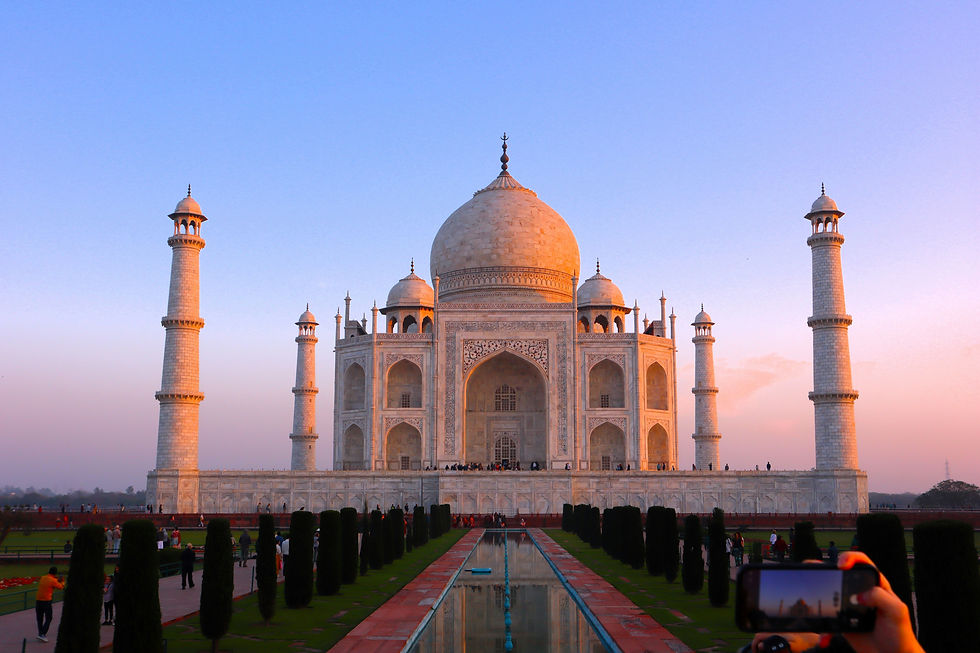
REAL WORLD EXAMPLE
Imagine a room where EVERYTHING is warm: red walls, orange curtains, yellow cushions, amber lights, warm wood everywhere. After five minutes, you'd feel like you're sitting inside an oven. Now imagine everything cool: blue walls, grey furniture, cool white lights, teal accessories. It feels like an operating theatre. The best spaces — the ones you want to stay in — balance both. A warm wood dining table with cool grey chairs. Amber lighting over a blue-grey wall. The balance is what creates comfort: warmth for the heart, coolness for the mind.
Pro Connection
Cinematographers say “warm up the key light” or “cool down the background.” Interior designers specify “warm white” vs “cool white” lighting. Graphic designers balance “a warm palette with cool accents.” Brand designers choose warm or cool as a fundamental brand personality decision. Understanding colour temperature is understanding one of the most basic emotional controls in visual communication.
PROFESSIONAL TERMINOLOGY
CLICK TO REVEAL and CLICK TO COVER
Whether a colour feels warm (red/orange/yellow end) or cool (blue/green/violet end)
What is
COLOUR TEMPERATURE
Colours associated with fire and sunlight — reds, oranges, yellows — they feel close and energetic
What is
WARM COLOURS
Colours associated with water and sky — blues, greens, violets — they feel calm and distant
What is
COOL COLOURS
The camera/editing setting that adjusts the overall warm-cool colour shift of an image
What is
WHITE BALANCE
The warm-light period shortly after sunrise or before sunset — prized by photographers and filmmakers
What is
GOLDEN HOUR
The cool-light period just before sunrise or after sunset — creates a calm, mysterious atmosphere
What is
BLUE HOUR
TINT-SHADE-TONE HUNT
You've been surrounded by tints, shades, and tones your entire life — you just didn't have the names for them. Today that changes.
what TO DO
Pick ONE colour — any colour you like.
Find 3 versions of that colour in your surroundings or on your phone.
TINT: a lighter, softer version (more white added) — e.g. pale sky blue if your colour is blue.
SHADE: a darker, deeper version (more black added) — e.g. navy if your colour is blue.
TONE: a muted, greyed version (grey added) — e.g. slate blue or dusty blue.
Photograph or screenshot all three. Label each one clearly.
CHALLENGE
DISCOVERY
You can use these SOFTWARES for this Discovery Challenge
FREE SOFTWARE : Phone Camera, Google Images / Chrome, Canva, Google Keep
PAID SOFTWARE : Adobe Lightroom Premium, Darkroom