
TINT, SHADE & TONE
Every colour you see is a modified version of a pure hue. Understanding how it was modified is understanding how to recreate it.
CORE CONCEPT
IMPORTANCE OF TINT, SHADE & TONE
KEY KNOWLEDGE
1
A hue is a pure colour with no modification — the most intense, saturated version

REAL WORLD EXAMPLE
Find the reddest red you can imagine — not maroon, not pink, not rust, not cherry. Pure, full, unmodified red. That's a hue. It's red at its maximum intensity, with nothing added to it — no white softening it, no black deepening it, no grey muting it. In real life, you rarely see pure hues outside of a screen or a neon sign. A fire truck comes close. A ripe tomato comes close. But most of the reds around you — the bricks, the curtains, the lipstick — are modified versions of that pure hue. The hue is the starting point. Everything else is a remix.
2
Tint = hue + white. Makes the colour lighter, softer, and more delicate. Pastels are tints

REAL WORLD EXAMPLE
Think of baby pink. It's just red with a lot of white added. Lavender? Violet with white. Powder blue? Blue with white. Every pastel colour is a tint — the hue softened by white until it feels gentle, light, and delicate. That's why baby product brands use pastels: they feel safe, soft, and nurturing. When you see those beautiful pastel-coloured houses in Pondicherry — the soft yellows, gentle pinks, pale blues — that's architectural tinting. The buildings aren't painted in pure hues because that would feel aggressive in a peaceful town. Tints whisper where hues shout.
3
Shade = hue + black. Makes the colour darker, deeper, and more dramatic. Navy, burgundy, and forest green are shades

REAL WORLD EXAMPLE
Take blue and add black to it. Keep adding. You move from sky blue to cobalt to royal blue to navy. Navy is just blue's shade — blue that went deep. Now take red and add black: red becomes crimson, then maroon, then burgundy. Take green and add black: green becomes emerald, then hunter green, then forest green. Shades are where colours get serious. They feel luxurious, powerful, and grounded. That's why formal events use shades — a navy suit, a burgundy tie, a forest green evening gown. Shades are colours that dressed up for a formal dinner.
4
Tone = hue + grey. Makes the colour muted, softer, and more natural. Most colours in the real world are tones
REAL WORLD EXAMPLE
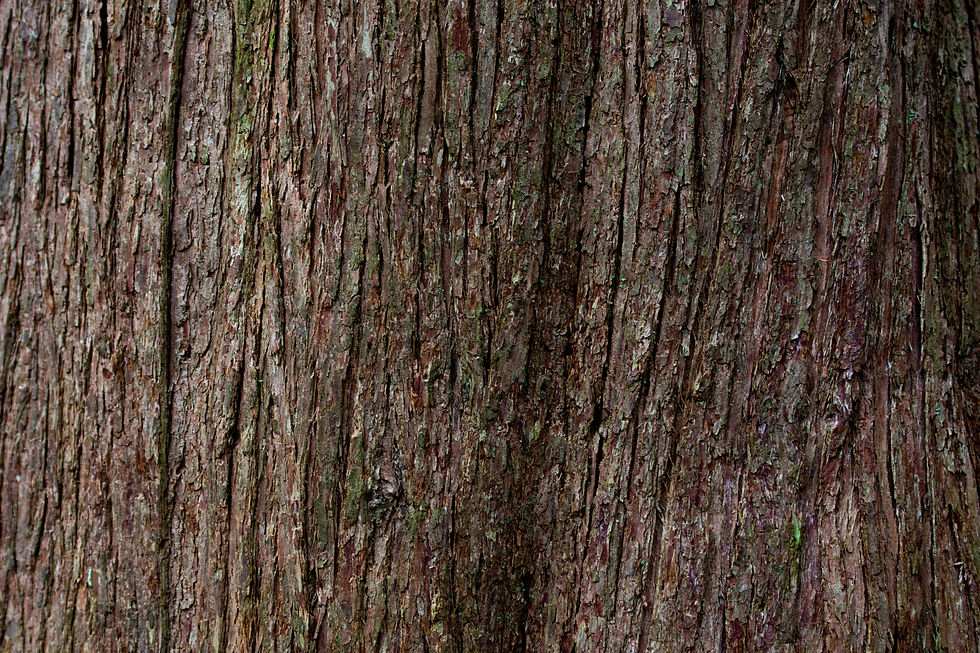
Step outside and look at the world. The green of the leaves isn't pure green — it's greyed, muted, toned. The brown of a tree trunk isn't pure brown — it's a toned, natural version. The blue of a cloudy sky isn't vivid — it's grey-blue, a tone. Most colours in nature are tones, not pure hues. That's why toned palettes feel "natural" and "earthy" — they mimic how we actually see the world. Instagram's most popular "vintage" and "film" filters work by adding grey to every colour — toning them down until photos feel like memories instead of moments.
5
The same hue can produce hundreds of variations through different amounts of white, black, or grey
REAL WORLD EXAMPLE
Go to any paint store and ask for "blue." They'll show you a fan deck with 40+ versions of blue alone: baby blue, cornflower, sky, powder, cerulean, cobalt, azure, royal, navy, midnight — and that's just the start. Each one is the same hue (blue) modified with different amounts of white, black, or grey. A single hue contains an entire universe of possibilities. That's why choosing "blue" as your brand colour is just the beginning of the conversation. Which blue? How light? How dark? How muted? The hue is the country. The specific tint, shade, or tone is the exact address.

6
Tints feel: light, airy, gentle, youthful, feminine, optimistic, open
REAL WORLD EXAMPLE
Walk into a Nykaa store or scroll their app. The dominant palette is pastel pink — a tint of red. It feels fresh, youthful, feminine, and inviting. Now imagine the same store in deep burgundy. It would feel completely different — luxurious maybe, but not "fun" and "approachable." That's the emotional power of tints. Baby brands use them because they feel safe. Bridal collections use them because they feel delicate. Beach resorts use them because they feel airy. Tints are the optimists of the colour world — they make everything feel lighter and more hopeful.

7
Shades feel: dramatic, luxurious, powerful, mysterious, grounded, formal

REAL WORLD EXAMPLE
Think of the most expensive-looking restaurant you've ever walked into. Chances are, the dominant colours were shades: deep navy walls, dark walnut tables, burgundy leather seats, charcoal napkins. Shades feel expensive because they feel rare and controlled. Nothing about them is casual or accidental. The same restaurant in pastels would feel like a café. In bright hues, it would feel like a fast food joint. Shades tell you: this place takes itself seriously. That's why luxury brands — from Chanel's black to Rolex's deep green — live almost entirely in the shade zone.
8
Tones feel: natural, sophisticated, understated, balanced, calm, mature

REAL WORLD EXAMPLE
Flip through an Architectural Digest India feature on a modern minimalist home. The palette will almost always be tones: dusty olive, muted terracotta, grey-beige, soft sage. Nothing screams. Nothing whispers too quietly. Everything feels balanced, considered, mature. That's the power of tones — they remove the "loudness" of a colour without removing its identity. A toned blue still reads as blue, but it feels calm rather than electric. Fashion brands like Uniqlo have built entire empires on toned palettes: sophisticated, accessible, and never exhausting to look at.
Pro Connection
Graphic designers say “lighten it to a tint” or “take it down to a shade.” Interior designers talk about “a toned palette” vs “bright, pure hues.” Film colourists use “crush the blacks” (deep shading) and “lift the highlights” (tinting). Understanding tint, shade, and tone gives you the vocabulary to describe exactly what you want — and that’s the language creative teams speak every day.
PROFESSIONAL TERMINOLOGY
CLICK TO REVEAL and CLICK TO COVER
A colour lightened by adding white — softer and more delicate (e.g., pink is a tint of red)
What is
TINT
A colour darkened by adding black — deeper and more dramatic (e.g., navy is a shade of blue)
What is
SHADE
A colour muted by adding grey — softer and more natural (e.g., dusty rose is a toned red)
What is
TONE
A colour at its most intense with no white, black, or grey added
What is
PURE HUE
A very light tint of a colour — high white content, soft and gentle
What is
PASTEL
How light or dark a colour is — tints have high value, shades have low value
What is
VALUE
TINT-SHADE-TONE HUNT
You've been surrounded by tints, shades, and tones your entire life — you just didn't have the names for them. Today that changes.
what TO DO
Pick ONE colour — any colour you like.
Find 3 versions of that colour in your surroundings or on your phone.
TINT: a lighter, softer version (more white added) — e.g. pale sky blue if your colour is blue.
SHADE: a darker, deeper version (more black added) — e.g. navy if your colour is blue.
TONE: a muted, greyed version (grey added) — e.g. slate blue or dusty blue.
Photograph or screenshot all three. Label each one clearly.
CHALLENGE
DISCOVERY
You can use these SOFTWARES for this Discovery Challenge
FREE SOFTWARE : Phone Camera / Screenshot, Adobe Color, Google Keep, Canva
PAID SOFTWARE : Procreate Pocket, Adobe Lightroom Premium