
COLOUR & CULTURE
In India, red means celebration. In China, it means luck. In Western finance, it means loss. Same colour — completely different meanings.
CORE CONCEPT
IMPORTANCE OF COLOUR & CULTURE
KEY KNOWLEDGE
1
Colour meanings are shaped by culture, history, religion, and geography — they’re not universal

REAL WORLD EXAMPLE
A design student in India uses white as the background for a condolence card for a Hindu family. It feels appropriate — white is the colour of mourning in Hindu tradition. The same student then designs a wedding invitation for their British friend using the same white background. It also works — white means purity and celebration in Western culture. Same colour, opposite occasions, both correct. This is the fundamental lesson of cultural colour: meaning is not built into the colour itself. Meaning is built into the culture that interprets it. A colour doesn't "mean" anything on its own — it means what the viewer's culture taught them it means.
2
Red: celebration and luck (China, India), danger and stop (West), passion and love (global), loss in finance (West)

REAL WORLD EXAMPLE
During Diwali, a home is decorated with red — red rangoli, red diyas, red silk cushion covers. Red means auspiciousness, celebration, and prosperity. In Chinese New Year, red envelopes filled with money are given — red means luck and wealth. But on a London stock trading floor, red means the market is DOWN — loss, danger, sell. And on every road in the world, a red traffic signal means STOP. One colour. Four completely different meanings. The colour didn't change. The cultural context did. Any designer working across cultures must carry this awareness — or risk celebrating when the audience reads mourning.
3
White: purity and weddings (West), mourning and funerals (parts of Asia), cleanliness and minimalism (global design)

REAL WORLD EXAMPLE
At a Christian wedding in Kerala, the bride wears white — symbol of purity and new beginnings. At a Hindu funeral in Varanasi, mourners wear white — symbol of departure and peace. At an Apple store anywhere in the world, everything is white — symbol of simplicity and modern design. Three contexts, three completely different messages from the same colour. A global brand launching in India needs to know: that white packaging that signals "clean and premium" in New York might feel "solemn and mournful" in certain Indian contexts. Cultural colour knowledge isn't optional — it's essential.
4
Black: mourning (West), power and elegance (global fashion), age/wisdom (some African cultures)

REAL WORLD EXAMPLE
In Islamic architecture and design, green holds a sacred position — it's associated with paradise, the Prophet, and spiritual peace. The domes and minarets of countless mosques are green. In contrast, in an American context, green means money — "greenbacks," "going green with envy." In traffic systems worldwide, green means "go." And in environmental branding globally, green means sustainability and nature. A designer working on a project for a mosque uses green with reverence. A designer working on a US financial app uses the same green for profit indicators. Same hex code, completely different intent.
5
Green: nature and go (West), sacred (Islam), envy (English-speaking cultures), money (USA)
REAL WORLD EXAMPLE
When Coca-Cola runs campaigns during Chinese New Year, they amplify their red with gold accents — because in China, red + gold means luck and prosperity. In the Middle East, the same brand often incorporates green alongside their red — showing cultural respect and local relevance. In Scandinavian markets, they sometimes shift to a cleaner, more minimalist presentation because the local design culture values restraint. The red stays constant, but the supporting colours, the intensity, and the cultural framing all shift. Global brands that ignore cultural colour differences get ignored — or worse, offend the very audience they're trying to reach.

6
Yellow: happiness and warmth (global), royalty (Japan), caution (West), sacred (Hinduism and Buddhism)
REAL WORLD EXAMPLE
A young Indian filmmaker makes a short film set in Japan. They colour-grade every scene in warm gold and red — colours that feel celebratory and warm in India. But in the Japanese context of the story, these colours read as aggressive and chaotic. A Japanese viewer feels uncomfortable, but can't explain why. The story is good, but the colour story is culturally wrong. The filmmaker didn't fail at filmmaking — they failed at cultural colour research. A 30-minute Google search on "colour meaning in Japanese culture" would have caught the problem. Cultural colour literacy isn't academic — it's practical.
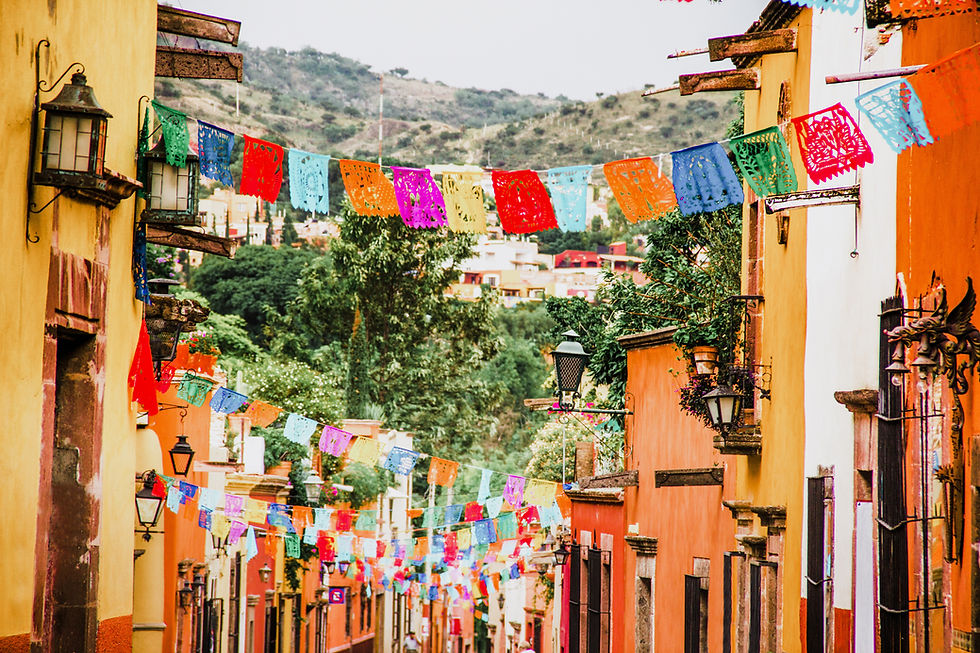
7
Purple: royalty and luxury (Europe), mourning (Thailand, Brazil), spirituality (various)

REAL WORLD EXAMPLE
A global NGO creates a campaign poster about peace. They use white backgrounds, green text, and saffron accents. In India, that's the national flag — it could look like a political statement rather than a peace campaign. In Pakistan, the green might be read as religiously aligned rather than environmentally. What felt like a neutral colour choice became culturally loaded. Inclusive design means asking: "Who will see this, and what will these colours mean to THEM?" It's not about walking on eggshells — it's about caring enough to do the research. Colour sensitivity isn't restriction — it's respect.
8
The same brand may need different colour strategies in different markets

REAL WORLD EXAMPLE
Walk through a Buddhist monastery in Ladakh — the monks' saffron-yellow robes represent wisdom and enlightenment. At a Hindu temple during Basant Panchami, devotees wear yellow to honour Saraswati, the goddess of learning. Fly to Beijing, and yellow was historically the emperor's colour — so sacred that commoners were forbidden from wearing it. But flip to an English dictionary: "too yellow to fight back" means cowardly. And on every road in the world, a yellow signal means one thing: caution. One colour, four completely different readings. A designer pitching a yellow wellness campaign in India taps into spiritual warmth. The same yellow in London might read as "caution" or "cowardice" first. Culture decides which meaning wins.
Pro Connection
Brand designers doing international work always research cultural colour associations before presenting palettes. Film production designers research the cultural colour context of the story’s setting. UI designers building for global markets test colour choices with diverse user groups. When a designer says “we need to check cultural sensitivity on the palette,” they’re doing the professional work of cross-cultural colour awareness.
PROFESSIONAL TERMINOLOGY
CLICK TO REVEAL and CLICK TO COVER
The significance or symbolism a specific culture assigns to a colour based on history and tradition
What is
CULTURAL COLOUR MEANING
When a colour represents an idea, value, or concept beyond its visual appearance
What is
COLOUR SYMBOLISM
Creating visual work that is sensitive to and effective across different cultural contexts
What is
CROSS-CULTURAL DESIGN
Awareness that colour meanings vary across cultures and audiences — avoiding unintended messages
What is
COLOUR SENSITIVITY
THE FEELING MAP
What if every app on your phone was designed to make you feel a specific emotion before you even start using it? Today you find out if they succeeded.
what TO DO
Choose 5 apps on your phone that you use regularly.
For each app, write down: the main colour, and the feeling that colour gives you personally.
Then ask: does that feeling match what the app does? (A banking app should feel trustworthy; a music app should feel energetic or creative.)
Screenshot the icon or home screen of each app.
Bonus: find ONE app where the colour feels "wrong" — where the colour doesn't match what the app does.
CHALLENGE
DISCOVERY
You can use these SOFTWARES for this Discovery Challenge
FREE SOFTWARE : Google Search / Chrome, Phone Screenshot or Camera, Google Keep, Wikipedia / Google Arts & Culture
PAID SOFTWARE : Notion, GoodNotes 6