
YOUR CREATIVE PROCESS
What if the most powerful thing you can develop isn’t a single skill — but a PROCESS that helps you create anything, any time, for any purpose?
CORE CONCEPT
IMPORTANCE OF YOUR CREATIVE PROCESS
KEY KNOWLEDGE
1
The creative process is a personal system: brief → research → ideation → sketching → prototyping → iteration → feedback → polish → presentation
REAL WORLD EXAMPLE
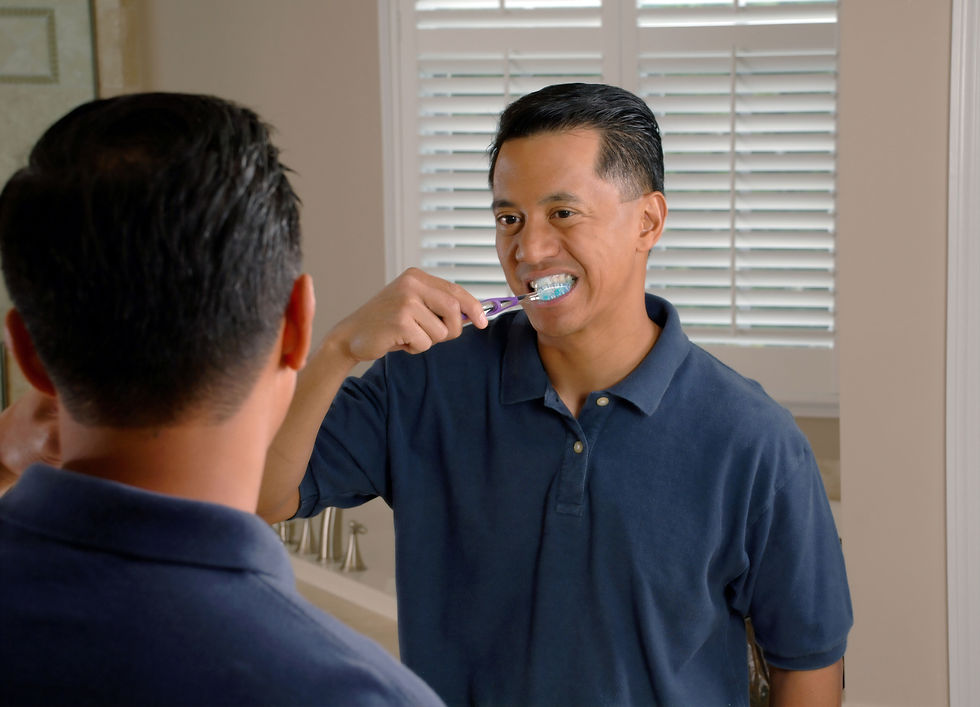
Think of your morning routine: wake up → brush → shower → uniform → breakfast → bag → bus. You don't think about it anymore — it just flows. The creative process is the same: brief → research → ideation → sketching → prototyping → iteration → feedback → polish → share. Right now, these steps feel new. But after you use them 10 times, 20 times, they'll become automatic — your creative morning routine.
2
It’s not rigid — steps can overlap, repeat, or happen in different orders depending on the project

REAL WORLD EXAMPLE
Your morning routine isn't exactly the same every day. Some days you skip breakfast. Some days you shower first, some days after exercise. The routine exists, but it flexes. The creative process is the same — some projects need more research than sketching. Some jump straight to prototyping. Some go back to ideation after feedback. The steps are your toolkit, not your rulebook. Use what you need, in the order that works.
3
Having a process turns the blank page from terrifying to manageable — you always know the next step
REAL WORLD EXAMPLE
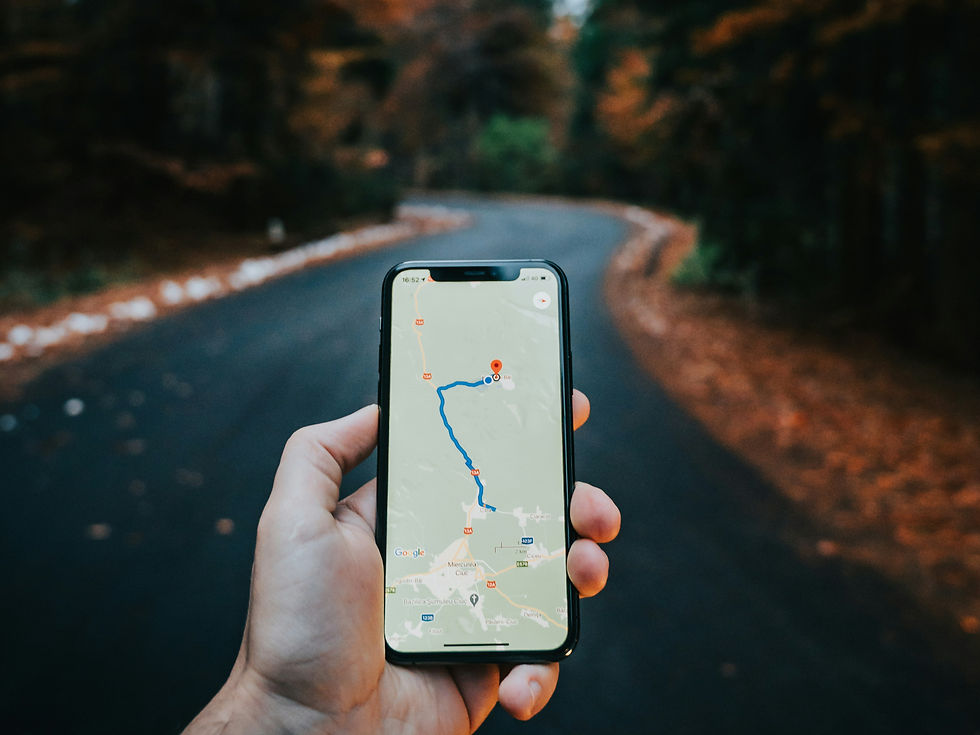
Getting lost in a new city is scary. But getting lost in a new city WITH Google Maps is just an adventure — because you always know the next turn. A creative process is your Google Maps for projects. The blank page is still there, but you're not lost anymore. Step 1: write a brief. Step 2: do research. Step 3: generate ideas. You always know what comes next. The fear shrinks because the path is clear.
4
Your process will evolve and personalise over time as you discover what works best for you

REAL WORLD EXAMPLE
Every chai drinker eventually has their own recipe. One likes extra ginger. Another prefers cardamom. Someone adds tulsi. The basic method is the same — boil, brew, strain — but the personal touches make it yours. Your creative process will evolve the same way. Maybe you'll discover you need extra-long research time. Maybe you'll skip sketching and go straight to digital. The process you build will become YOUR process — and nobody else's will be exactly the same.
5
Every creative professional has their own version of this process — and they trust it
REAL WORLD EXAMPLE
A.R. Rahman has a process for composing music. Sabyasachi has a process for designing clothes. Your favourite YouTuber has a process for making videos. Each one is different, but each one is trusted by the person who uses it. They don't panic when a new project starts because they've been through the process a hundred times. Trust comes from repetition. The more you use your creative process, the more you'll trust it — and the better your work will become.
6
The process applies to EVERYTHING creative: design, film, writing, music, architecture, social media, events, experiences
REAL WORLD EXAMPLE
Planning a surprise birthday party? You need a brief (who's it for, what vibe), research (what do they like), ideation (theme ideas), prototyping (rough plan), feedback (check with one co-planner), polish (final details), and presentation (the actual party). The creative process isn't just for "creative projects" — it works for anything you make, plan, or organise. Once you see it, you'll use it everywhere.

7
The Foundation Program has given you tools for every step: Visual Literacy (seeing), Colour & Light (mood), Typography (text), Storytelling (narrative), Space (spatial), and now Creative Process (workflow)

REAL WORLD EXAMPLE
Imagine a toolbox where each drawer was filled by a different Foundation subject. Visual Literacy gave you the eyes to see. Colour & Light taught you to set the mood. Typography armed you with text skills. Storytelling gave you narrative power. Space & Form taught spatial thinking. People & Purpose centred your work on humans. Digital Foundations connected you to tools. And The Creative Process tied it all together with workflow. Your toolbox is full. You're ready.
8
What if this process becomes so natural that you use it automatically — for schoolwork, personal projects, and eventually professional creative work?

REAL WORLD EXAMPLE
You don't think about how to brush your teeth anymore — your hand just knows. You don't think about how to tie shoelaces — your fingers just do it. Someday, the creative process will feel the same. You'll automatically start with a brief, instinctively research before creating, naturally iterate instead of stopping at version one. It won't feel like a method anymore. It'll feel like the way you think. And that's when you'll know: you haven't just learned a process. You've become a creative professional.
Pro Connection
When a creative director asks “what’s your process?” in an interview, they’re asking: can you reliably create good work, or do you depend on random inspiration? A clear, articulated process is one of the most impressive things a young creative can demonstrate. It shows maturity, intentionality, and professionalism.
PROFESSIONAL TERMINOLOGY
CLICK TO REVEAL and CLICK TO COVER
The personal system of steps a creator follows from initial idea to finished work — repeatable and trustworthy
What is
CREATIVE PROCESS
The sequence of steps and activities in a creative process — how work flows from start to finish
What is
WORKFLOW
The core skills, vocabulary, and process awareness that all creative work builds upon
What is
CREATIVE FOUNDATION
The growing collection of your best work — proof of your creative process in action
What is
PORTFOLIO
The continuous improvement that comes from repeatedly going through the creative process — each cycle makes you stronger
What is
GROWTH
THE EXPLAIN-IT EXERCISE
Three sentences about something you made. Audience, choices, intention. That is a professional presentation.
what TO DO
Take any piece of creative work you have made — from this subject or any other.
Write exactly 3 sentences about it:
Sentence 1: "I made this for [audience] to [purpose]."
Sentence 2: "The key choices I made were [2–3 specific decisions] because [reasons connecting to the purpose]."
Sentence 3: "I want the viewer to feel / notice / understand [intended effect]."
Read the 3 sentences aloud. Photograph your work alongside your written sentences.
CHALLENGE
DISCOVERY
You can use these SOFTWARES for this Discovery Challenge
FREE SOFTWARE : Pen and Paper + Phone Camera, Sketchbook by Autodesk, Canva, Google Keep
PAID SOFTWARE : Procreate Pocket, GoodNotes 6