
SHARING — PUTTING YOUR WORK INTO THE WORLD
What if the most important step in the creative process is the one that scares most people: pressing “post,” “send,” or “submit”?
CORE CONCEPT
IMPORTANCE OF SHARING — PUTTING YOUR WORK INTO THE WORLD
KEY KNOWLEDGE
1
Sharing is the final step of the creative process — work isn’t complete until it meets an audience

REAL WORLD EXAMPLE
A letter that's written but never sent is just a piece of paper in a drawer. The moment it's posted, it becomes a message — with power to make someone smile, cry, or change their mind. Creative work is the same. Sitting on your phone, it's just a file. The moment you share it — post it, show it, send it, present it — it becomes communication. The creative process starts with a blank page and ends with an audience. Without the audience, the circle never closes.
2
Sharing feels vulnerable — and that’s normal. Every creative professional feels it, from beginners to legends

REAL WORLD EXAMPLE
Even Sachin Tendulkar felt nervous before walking out to bat — every single time, even after 100 centuries. The butterflies never fully go away. Sharing creative work feels the same: your stomach tightens, your mind says "what if they don't like it?" That nervousness isn't a sign that something is wrong. It's a sign that you care about your work. Every professional creator in the world — from first-year students to award-winning directors — feels it. It's normal. It's human.
3
Each share is a learning opportunity: you discover what resonates, what confuses, and what moves people

REAL WORLD EXAMPLE
You post two photos on Instagram. One gets 15 likes. The other gets 150. Same camera, same editor, same you. But the audience told you something: the second photo connected better. Maybe it was the colours. Maybe it was the subject. Maybe it was the time you posted. Each share teaches you about your audience — what they respond to, what they scroll past, what makes them stop. Sharing isn't just showing. It's learning.
4
Sharing builds a body of work over time — consistency matters more than perfection
REAL WORLD EXAMPLE
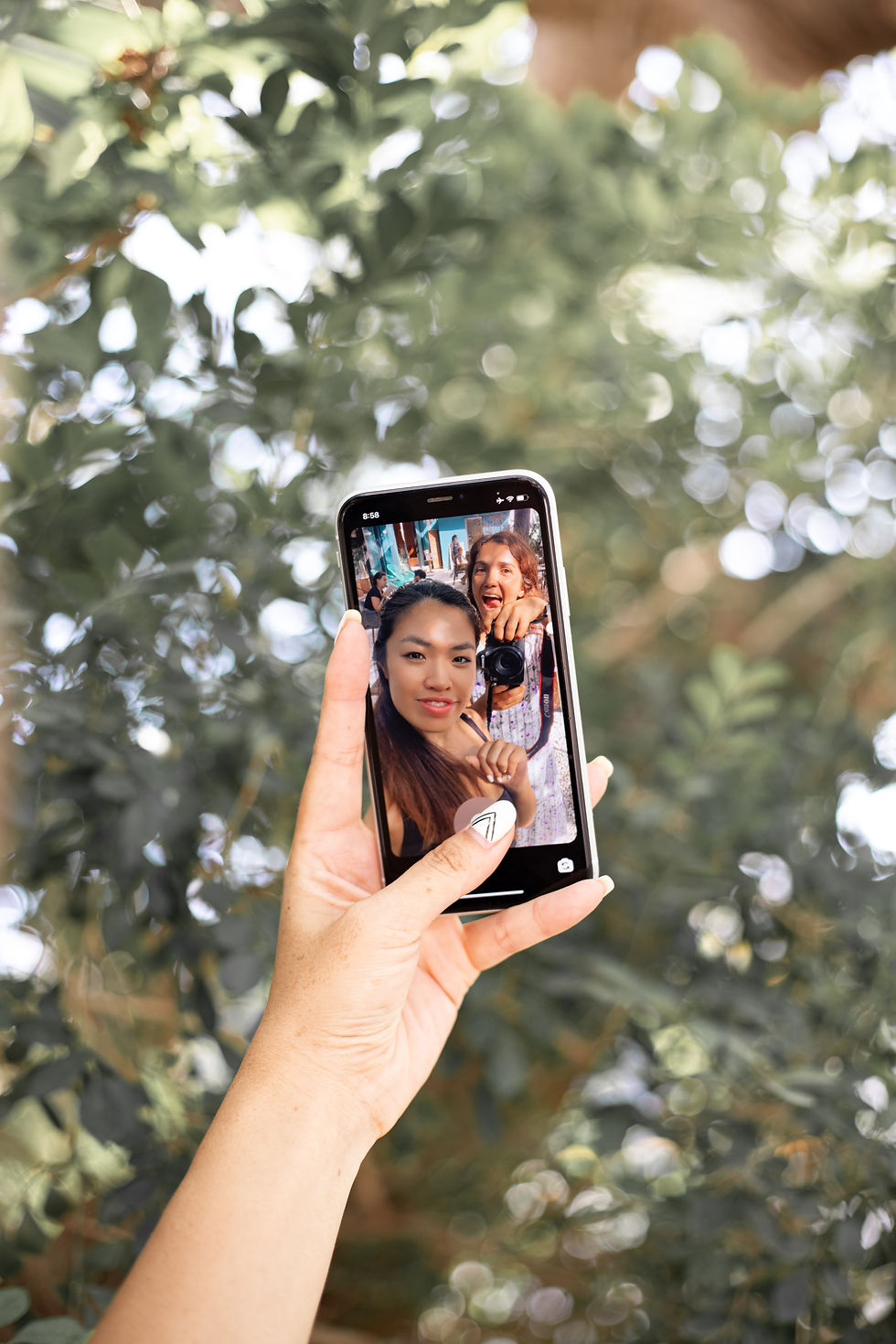
One really amazing Instagram post won't build you a following. But posting consistently — every week, sharing what you make, even when it's not perfect — creates a pattern. People start recognising your style. They start expecting your work. They start following your journey. The creators you admire didn't become famous from one post. They became known because they showed up, shared, and repeated — over months and years.
5
Different platforms suit different types of sharing: Instagram for visuals, YouTube for video, a blog for writing, a portfolio site for professional work
REAL WORLD EXAMPLE
You wouldn't serve chai in a plate or rice in a cup — every content type has a container that fits best. Visual work thrives on Instagram. Video work belongs on YouTube. Written work shines on a blog. Professional portfolios live on websites like Behance. Knowing which platform fits your work is a creative skill in itself. Where you share shapes how it's seen, just like how food is served shapes how it's tasted.

6
The “share muscle” gets stronger with practice — the first post is the hardest; the hundredth is routine
REAL WORLD EXAMPLE
Remember the first time you raised your hand in class to answer a question? Heart pounding. Voice shaking. Now you do it without thinking. The first creative share feels the same — terrifying. But after 5 shares, 10, 20, 50 — the nervousness fades and confidence replaces it. Sharing is a muscle. The more you use it, the stronger it gets. And the only way to build it is to start using it — even when it feels scary.

7
Imperfect work shared is more valuable than perfect work hidden — because shared work teaches you, and hidden work doesn’t

REAL WORLD EXAMPLE
A kite with a slightly torn edge that's flying in the wind is doing more than a perfect kite that's sitting inside a drawer. The flying kite is being tested by the wind, adjusted by the string, seen by people. It's alive. The drawer kite is pristine but useless. Share your imperfect work. Let it fly. Let it teach you. The kite that's flown — even if it tears — gives you more than the one that's never left the drawer.
8
What if every piece of work you create during the Foundation Program gets shared with at least one person? Your creative confidence would skyrocket

REAL WORLD EXAMPLE
Make a small pact with yourself right now: every challenge, every project, every piece of work you create in the Foundation Program — share it with at least one person. A friend, a parent, a teacher, an online follower. Just one person. That small act closes the creative loop every single time. And after 8 subjects of sharing, you'll have built a habit that most adults still struggle with. Your creative confidence will be unshakeable.
Pro Connection
In the professional world, sharing work is literally the job: presenting to clients, posting to social media, publishing designs, releasing films. Creators who share regularly build audiences and reputations. When an agency says “show us what you’ve done,” they’re asking for shared, visible work — not ideas that stayed in your head.
PROFESSIONAL TERMINOLOGY
CLICK TO REVEAL and CLICK TO COVER
Putting your creative work into the world for others to see, experience, and respond to
What is
SHARE
Making work publicly available — posting online, printing, or formally releasing
What is
PUBLISH
The emotional exposure that comes from sharing personal creative work — normal and universal
What is
VULNERABILITY
The growing comfort and boldness that comes from repeatedly creating and sharing work
What is
CREATIVE CONFIDENCE
Regularly creating and sharing work over time — the key to growth and audience building
What is
CONSISTENCY
THE EXPLAIN-IT EXERCISE
Three sentences about something you made. Audience, choices, intention. That is a professional presentation.
what TO DO
Take any piece of creative work you have made — from this subject or any other.
Write exactly 3 sentences about it:
Sentence 1: "I made this for [audience] to [purpose]."
Sentence 2: "The key choices I made were [2–3 specific decisions] because [reasons connecting to the purpose]."
Sentence 3: "I want the viewer to feel / notice / understand [intended effect]."
Read the 3 sentences aloud. Photograph your work alongside your written sentences.
CHALLENGE
DISCOVERY
You can use these SOFTWARES for this Discovery Challenge
FREE SOFTWARE : Instagram / WhatsApp, Phone Screenshot, Google Keep, Apple Notes / Samsung Notes
PAID SOFTWARE : Day One Journal, Notability