
VIEWPOINT & ANGLE
What if photographing your cat from above makes it look cute and tiny — but from the ground, it looks like a majestic lion? Same cat. Different angle. Different story.
CORE CONCEPT
IMPORTANCE OF VIEWPOINT & ANGLE
KEY KNOWLEDGE
1
The same subject feels completely different depending on the angle you view it from

REAL WORLD EXAMPLE
Think of your school building. Standing across the road, it looks ordinary — just another building on the street. Now imagine lying on the ground in the courtyard and looking straight up at it — suddenly it towers over you like a fortress. Now imagine seeing it from a drone — it shrinks into a tiny rectangle on a map. Same building, same bricks, same paint. Three angles, three completely different feelings. The subject never changed. You did.
2
Eye-Level: natural, neutral, relatable — viewer feels equal to the subject

REAL WORLD EXAMPLE
Every selfie you take with a friend — arm stretched out, camera at face height — is an eye-level shot. It feels natural because it matches how you actually see people in real life: standing across from them, eyes meeting eyes. News anchors are always filmed at eye level for the same reason — it makes you feel like they're talking to you, not down at you or up at you. Eye level says: we're equals in this frame.
3
Bird’s-Eye View: makes subjects feel small, gives overview — used for flat-lays, maps, and showing vulnerability

REAL WORLD EXAMPLE
Ever stood on a balcony during a school assembly and looked straight down? The students below look like dots, the lines they've formed look like patterns, and the whole scene feels like a diagram rather than a group of people. That smallness isn't insulting — it's perspective. Filmmakers use this shot when they want you to feel the hugeness of the world compared to one person. Food bloggers use it when they want you to see the entire thali at once. Same angle, completely different purposes.
4
Worm’s-Eye View: makes subjects feel powerful and grand — used for hero shots and architecture

REAL WORLD EXAMPLE
Next time you're near a tall statue — a Hanuman, a Shivaji, any public monument — crouch down and look up at it from the base. It suddenly looks ten times more powerful than it did from the road. The sculptor knew this. The pedestal was made tall on purpose so that every visitor would look up, and looking up automatically makes the brain feel: this is something greater than me. Every superhero poster in the world uses this exact trick.
5
In film, low angles signal power; high angles signal vulnerability
REAL WORLD EXAMPLE
Watch any scene where the villain enters in a Bollywood film — the camera is almost always placed low, shooting upward at their face. They look dominant, threatening, larger than life. Now watch the scene where the hero is defeated, sitting on the ground — the camera floats above, looking down. Same actor, same costume, but the angle rewrote the story. Low angle gave power. High angle took it away. Directors don't choose angles for fun — they choose them for feeling.

6
Dutch angle (tilted camera) creates unease and quirkiness — common in music videos and thrillers
REAL WORLD EXAMPLE
Tilt your phone about 20 degrees to the side and take a photo of your room. Suddenly everything feels slightly wrong — the walls aren't straight, the furniture looks like it's sliding, your brain gets a tiny jolt of discomfort. That's the Dutch angle. Music video directors use it when the beat drops. Thriller filmmakers use it when something creepy is about to happen. It's the visual equivalent of hearing a note played slightly off-key — not broken, but deliberately unsettling.

7
Flat-lay (directly above) is hugely popular in social media food and product photography

REAL WORLD EXAMPLE
Open Instagram or Zomato and count how many food photos are taken from directly above — the camera looking straight down at the plate. There's a reason: from the top, a dosa becomes a perfect golden circle, a pizza becomes a symmetric wheel of toppings, and a breakfast spread becomes a designed pattern. The flat-lay turns food into graphic design. It's the most-used angle in food photography because it turns a messy table into a clean composition — and all you have to do is stand up and point down.
8
What if three photos of the exact same thing from three angles tell three completely different stories?
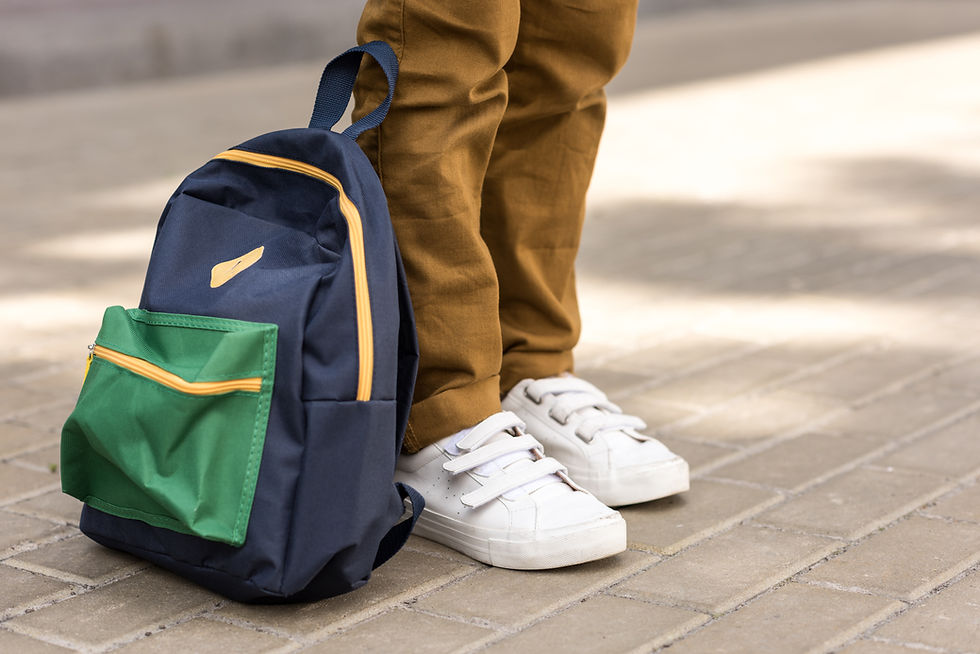
REAL WORLD EXAMPLE
Take your school bag. Photograph it from eye level on a desk — it looks ordinary, just a bag. Now place it on the floor and shoot from above — it looks small, abandoned, like someone forgot it. Now crouch down and shoot it from below against the ceiling light — suddenly it looks important, like the opening shot of a detective film where the bag holds something secret. Same bag. Same zip, same colour, same scratches. Three stories — all told by your knees, your feet, and where you chose to hold the camera.
Pro Connection
Film directors call these “low angle” and “high angle.” Interior designers think about “the view from the entrance” vs “the view from seated height.” Experience designers plan how visitors see spaces from different viewpoints.
PROFESSIONAL TERMINOLOGY
CLICK TO REVEAL and CLICK TO COVER
Looking down from above — gives overview, makes subjects feel small
What is
BIRD'S-EYE VIEW
Looking up from below — makes things feel powerful and grand
What is
WORM'S-EYE VIEW
Looking straight at the subject — the most natural and neutral viewpoint
What is
EYE-LEVEL
The position and direction from which something is viewed or photographed
What is
ANGLE
The specific position from which something is observed
What is
VANTAGE POINT
A low-angle shot that makes a subject look powerful and heroic
What is
HERO SHOT
Photographing from directly above on a flat surface — popular in social media
What is
FLAT-LAY
THE OFF-CENTRE EXPERIMENT
What if the most interesting place for your subject... is not the middle?
what TO DO
Turn on the grid in your phone camera: Settings > Camera > Grid.
Choose anything to photograph — a cup, a plant, a friend, anything you like.
Take TWO photos of the same thing: Photo A — put the subject RIGHT IN THE MIDDLE of the frame. Photo B — move it so it sits on one of the lines or corner points of the grid.
Look at both photos. Which one do you prefer? Show both to a friend — which one do THEY prefer?
CHALLENGE
DISCOVERY
You can use these SOFTWARES for this Discovery Challenge
FREE SOFTWARE : Phone Camera, Canva, Google Photos, PicCollage
PAID SOFTWARE : Diptic, Procreate Pocket