
SYMMETRY VS ASYMMETRY
What if perfect symmetry creates calm and power — but breaking it creates energy and surprise? And what if knowing WHEN to use each is one of the biggest design decisions you’ll ever make?
CORE CONCEPT
IMPORTANCE OF SYMMETRY VS ASYMMETRY
KEY KNOWLEDGE
1
Symmetrical balance: elements mirrored around a centre axis. Feels: stable, formal, elegant, traditional, calm

REAL WORLD EXAMPLE
Stand in front of any big Indian gate — Mysore Palace, India Gate, even the main entrance of a large temple. The left side mirrors the right. The pillars match. The carvings repeat. Your brain doesn't need to work hard — everything is where you expect it to be, and that's exactly why it feels grand and calm at the same time. Symmetry is the visual language of "this was built with power and patience." It's why every throne room, every currency note, and every wedding invitation uses it.
2
Asymmetrical balance: elements unequal but still balanced through contrast. Feels: dynamic, modern, energetic, casual

REAL WORLD EXAMPLE
Think of a tree growing on the edge of a cliff. The trunk leans to one side, the branches stretch unevenly, nothing mirrors anything — yet it doesn't feel like it's about to fall. It feels alive, dramatic, interesting. That's asymmetrical balance — things aren't equal, but they feel balanced because one bold element on one side is countered by something different on the other. It's the visual equivalent of a conversation where both people are saying different things but the exchange still feels fair.
3
You can FEEL visual balance intuitively — when something feels “heavy on one side,” the balance is off

REAL WORLD EXAMPLE
Imagine a seesaw with one kid on the left end and nothing on the right. Even as a drawing, it makes you uncomfortable — your brain wants something on the other side. Now imagine the same seesaw with a kid on the left and a school bag on the right. It's not equal, but it feels settled. That gut feeling — that pull toward "something's wrong" or "something's right" — is your brain reading visual balance. You've been doing it your whole life. You just never had the word for it.
4
Most modern design uses asymmetry because it’s more engaging for today’s audiences
REAL WORLD EXAMPLE
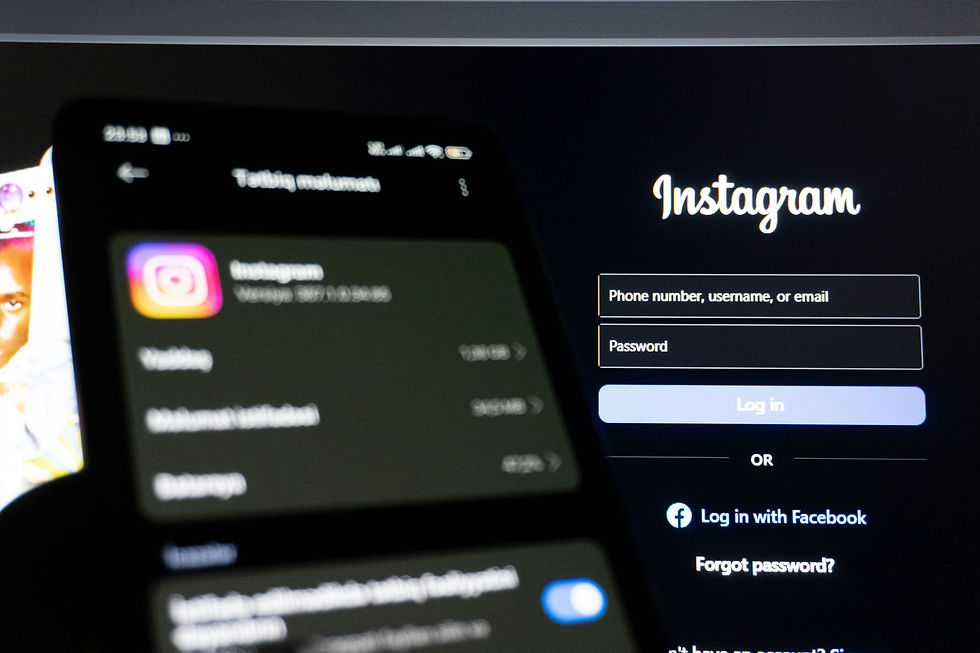
Open any app you use daily — Instagram, YouTube, Spotify. None of them are symmetrical. The profile picture sits on one side. The text clusters elsewhere. The buttons are scattered but feel right. That's because asymmetry keeps your eye moving — there's always something new to look at, a reason to keep scrolling. Symmetry says "admire me." Asymmetry says "explore me." And in a world where a thumb swipes past in half a second, exploration wins.
5
Symmetry dominates in: architecture, luxury branding, classical design, formal documents
REAL WORLD EXAMPLE
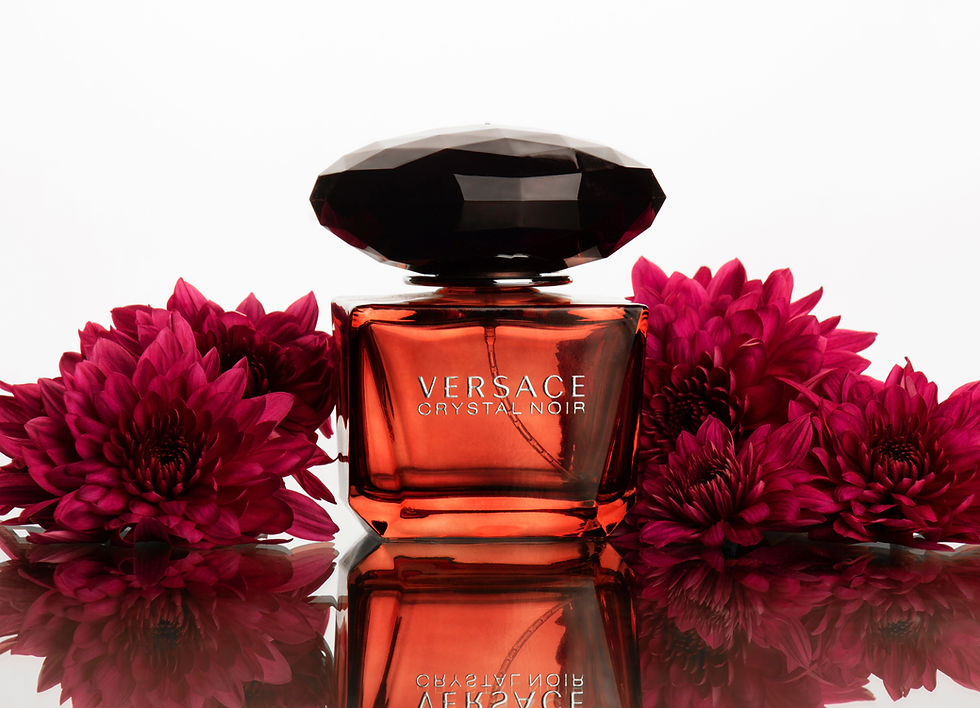
Think of the last expensive perfume ad you saw — the bottle sitting dead centre, the brand name centred below it, everything mirrored perfectly. Now think of a five-star hotel lobby — identical lamps on both sides, matching sofas, the reception desk centred at the back. Symmetry whispers "money was spent here, and nothing was rushed." It's the reason court judgements are formatted with centred headings, why the Rashtrapati Bhavan is symmetrical, and why luxury brands never, ever go casual with their layouts.
6
Radial balance (elements radiating from a centre) is a third type — mandalas, clock faces, some logos
REAL WORLD EXAMPLE
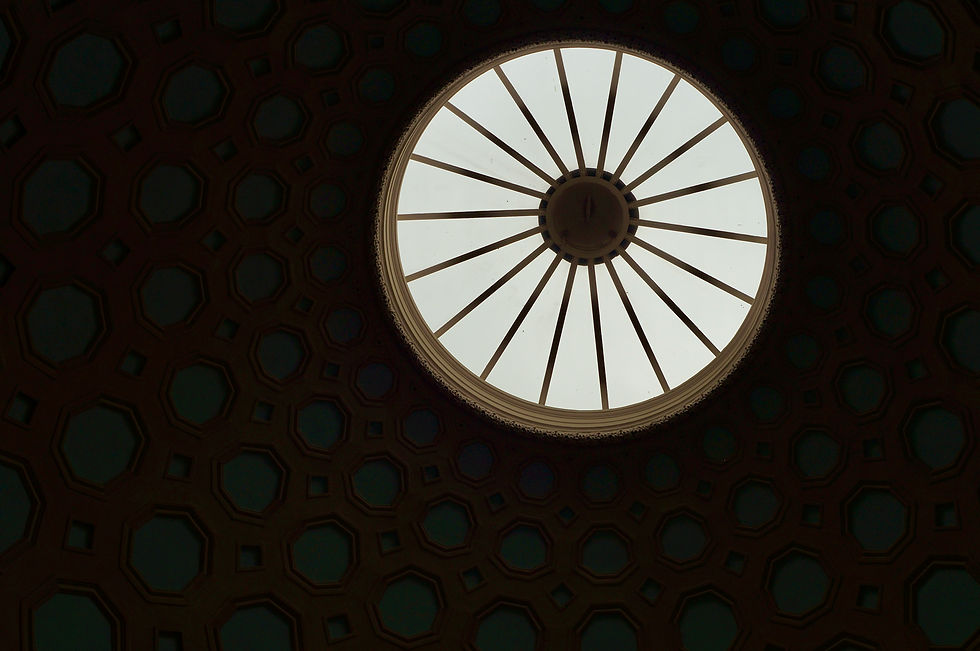
Think of a chakra on the Indian flag — every spoke radiates outward from the centre, equally spaced, pulling your eye round and round in a circle. That's radial balance. You see it in mandalas drawn during meditation, in the face of a clock, in the pattern of a sliced orange, in the wheel of a bullock cart. It's neither left-right symmetry nor dynamic asymmetry — it's everything pointing inward or outward from one powerful centre. The circle holds it all together.
7
The choice between symmetry and asymmetry is one of the first decisions in any design project

REAL WORLD EXAMPLE
Imagine you're making a poster for two very different events. A school Republic Day function — you'd probably centre the flag, place text evenly on both sides, keep everything mirrored and formal. A college music fest — you'd throw the band name to one corner, splash a guitar graphic across the other side, let the energy feel chaotic and alive. You haven't drawn a single line yet, but you've already made the most important design decision: balanced and calm, or unbalanced and exciting. Everything else follows from that one choice.
8
What if you started noticing whether every app, room, and poster you encounter is symmetrical or asymmetrical?

REAL WORLD EXAMPLE
Try it for one day. Walk into your classroom — is the teacher's desk centred or off to one side? Look at a movie poster on your way home — is the hero's face in the middle or leaning to the left? Open WhatsApp — is the chat bubble layout symmetrical or asymmetrical? You'll be stunned at how fast the world splits into two teams once you know what to look for. Symmetry and asymmetry are running silently behind every designed surface — and after today, you'll never be able to unsee them.
Pro Connection
Designers talk about layouts “feeling heavy on the left” or “needing more weight.” Brand designers choose between “a centred, formal logotype” (symmetry) and “a dynamic, offset wordmark” (asymmetry). These are daily professional conversations.
PROFESSIONAL TERMINOLOGY
CLICK TO REVEAL and CLICK TO COVER
Elements evenly mirrored around a centre axis — feels formal and stable
What is
SYMMETRY
Elements uneven but balanced through contrast — feels dynamic and modern
What is
ASYMMETRY
The sense that a composition feels stable — no area is too heavy or too empty
What is
VISUAL BALANCE
Another term for symmetrical balance
What is
FORMAL BALANCE
Another term for asymmetrical balance
What is
DYNAMIC BALANCE
Elements radiating from a central point outward
What is
RADIAL BALANCE
THE MIRROR TEST
Some things want to be perfectly balanced — others want to surprise you. Which kind of world do you live in?
what TO DO
Look around the space you are in right now.
Find ONE thing that is SYMMETRICAL — if you drew a line down the middle, both halves would look the same. (A door, a window, a face, a clock.)
Find ONE thing that is ASYMMETRICAL — one side is different from the other. (A bag thrown in a corner, a plant leaning to one side, a photo on a wall.)
Take a photo of each.
Show your two photos to a friend or family member. Ask them: which one feels calm? Which feels more interesting or alive?
CHALLENGE
DISCOVERY
You can use these SOFTWARES for this Discovery Challenge
FREE SOFTWARE : Phone Camera with Grid Enabled, Open Camera, Snapseed, VSCO
PAID SOFTWARE : ProCam 8, Halide Mark II