
DESIGN ETHICS
What if every creative decision you make has the power to help someone or harm someone — and the most important skill is knowing the difference?
CORE CONCEPT
IMPORTANCE OF DESIGN ETHICS
KEY KNOWLEDGE
1
Creative work has real impact on real people — it can help, inspire, include, and uplift. It can also manipulate, exclude, deceive, and harm
REAL WORLD EXAMPLE
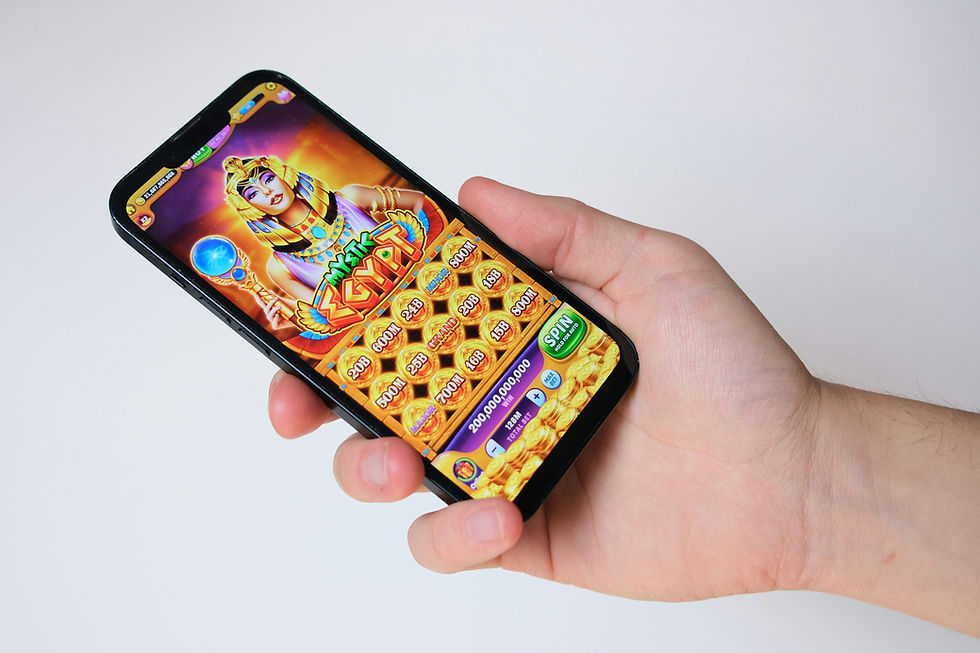
A well-designed health app reminds you to drink water and celebrates your progress — it helps. A manipulative game makes you feel terrible unless you buy virtual coins — it harms. Both are “design.” Both use the same skills. The difference isn’t talent — it’s intention. Your creative power is real. How you use it matters.
2
Design ethics = considering the human impact of creative decisions — not just beauty and effectiveness, but fairness and responsibility
REAL WORLD EXAMPLE
A beautiful ad that makes people feel ugly unless they buy a product is effective but unethical. A simple poster that makes someone feel welcome in a new school is less flashy but deeply ethical. Ethics asks: not just “does this work?” but “is this fair? Is this honest? Does this help or hurt the person who sees it?”
3
Dark patterns are design choices that manipulate users into doing things they didn’t intend (hidden unsubscribe buttons, confusing opt-outs, fake urgency)

REAL WORLD EXAMPLE
You try to unsubscribe from emails. The “unsubscribe” link is in tiny grey text on a grey background. You click it and it asks 5 questions before letting you leave. That’s a dark pattern — the designer DELIBERATELY made it hard to leave. Compare that to a big, clear “Unsubscribe” button that works in one tap. One respects you. The other tricks you.
4
Ethical design is honest, transparent, and respectful of people’s time, attention, and wellbeing

REAL WORLD EXAMPLE
A notification that says “You have 3 new messages!” when it’s actually 3 promotional ads is dishonest. A notification that says “We have some updates for you” and lets you choose whether to look is respectful. Ethical design treats people like intelligent humans, not targets to be tricked.
5
Sustainability is an ethical consideration: the environmental impact of materials, production, and waste in creative work
REAL WORLD EXAMPLE
A brand that prints 10,000 flyers for an event that 200 people attend has created 9,800 pieces of waste. A brand that uses a QR code poster with a digital invite created zero waste. Design ethics isn’t just about digital manipulation — it’s also about the physical planet. Every material choice is an ethical choice.

6
Ethical questions every creator should ask: Does this help or manipulate? Does it include or exclude? Is it honest? Would I be comfortable if everyone knew the intent behind this design?
REAL WORLD EXAMPLE
Before you publish anything, run it through four questions: 1) Am I helping someone or tricking them? 2) Does this welcome everyone or leave people out? 3) Is this truthful? 4) If my teacher, my parents, and the person I’m designing for all saw my real intention — would I be proud? If yes, publish. If no, redesign.

7
The best creative work is both beautiful AND ethical — they’re not competing goals
REAL WORLD EXAMPLE
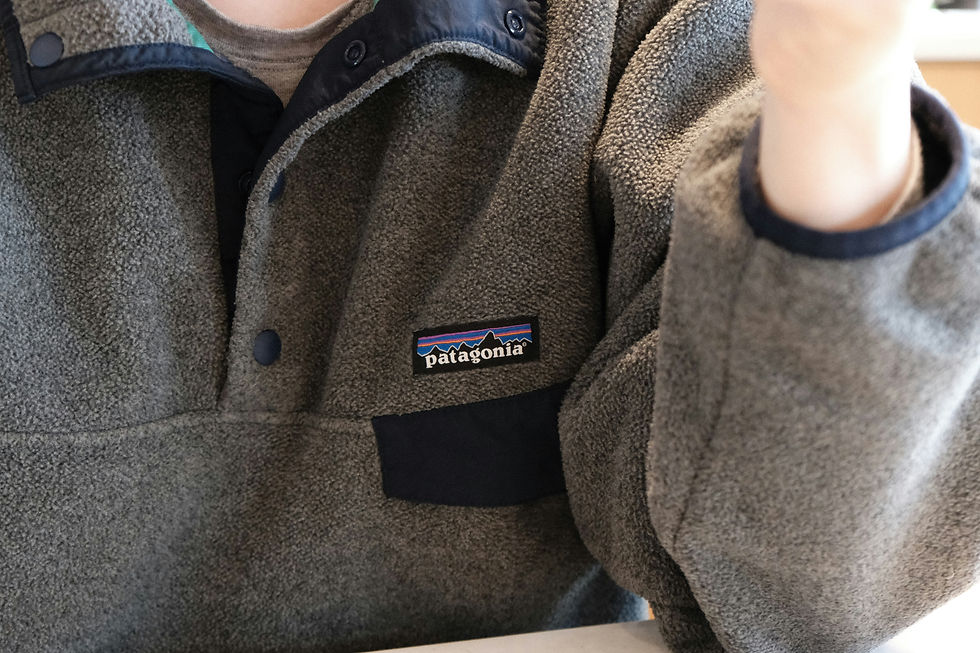
Patagonia makes beautiful jackets AND tells customers “Don’t buy this jacket if you don’t need it.” Their campaign was stunning design AND ethical messaging — and it made customers trust them MORE. Being ethical doesn’t mean being boring. The best work proves that beautiful and honest can live in the same design.
8
What if you made a personal commitment: everything I create will be honest, inclusive, and made to genuinely help the people who experience it?
REAL WORLD EXAMPLE
Imagine signing a personal creative pledge: “I will design with honesty. I will include, not exclude. I will help, not manipulate. I will care about the people who experience my work.” That pledge doesn’t limit your creativity — it focuses it. The most admired creators in the world aren’t just skilled. They’re trusted. And trust is built on ethics.
Pro Connection
Ethical design is increasingly a professional standard. Companies hire “design ethicists.” UX designers are trained to identify and avoid dark patterns. When someone says “that feels manipulative,” they’re making an ethical design observation.
PROFESSIONAL TERMINOLOGY
CLICK TO REVEAL and CLICK TO COVER
The practice of considering the moral impact of creative decisions on the people who experience the work
What is
DESIGN ETHICS
A design choice that manipulates users into unintended actions — deceptive and unethical
What is
DARK PATTERN
Being open and honest about how a design works and what it's trying to achieve
What is
TRANSPARENCY
Designing with environmental impact in mind — reducing waste, choosing responsible materials, considering long-term effects
What is
SUSTAINABILITY
Recognising that creative work has real-world impact and making choices that are ethical and considerate
What is
RESPONSIBILITY
THE ACCESSIBILITY AUDIT
One app. Three tests. Can you read it? Can you hear it? Can you use it one-handed? Professional audit complete.
what TO DO
Pick any app or website.
Test it for accessibility by trying these 3 things:
Test 1 (Visual): Can you read all the text comfortably? Is the contrast high enough? Is the text large enough?
Test 2 (Audio): Mute the sound completely. Can you still understand everything? Are there subtitles or visual cues for anything audio?
Test 3 (Motor): Try using the app with one hand only — can you reach all the important buttons? Is anything awkwardly placed?
Write what works and what doesn't for each test. Then write one improvement idea for the weakest test result.
CHALLENGE
DISCOVERY
You can use these SOFTWARES for this Discovery Challenge
FREE SOFTWARE : Phone Screenshot, Chrome Browser, Google Keep, Instagram / App Store
PAID SOFTWARE : GoodNotes 6, Notion