
TONE OF VOICE — HOW YOU SOUND
The words “nice job” can be a genuine compliment or pure sarcasm. Same words. Different tone. Tone changes everything.
CORE CONCEPT
IMPORTANCE OF TONE OF VOICE — HOW YOU SOUND
KEY KNOWLEDGE
1
Tone of voice = HOW something is communicated, not WHAT is communicated. The personality, attitude, and feeling behind the words

REAL WORLD EXAMPLE
Your mom says “come here.” In a soft voice after you’ve been crying, it means comfort. In a sharp voice after you broke a glass, it means trouble. Exact same words. Completely different meaning. That’s tone — the invisible layer on top of words that changes everything about how they land.
2
The same message in different tones creates completely different experiences: “Your order is late” (neutral) vs “Oops, we’re running behind!” (casual/friendly) vs “We sincerely apologise for the delay” (formal)

REAL WORLD EXAMPLE
Message: Your food order is delayed. Formal tone: “We sincerely apologise for the inconvenience. Your order is being prepared.” Casual tone: “Ugh, running a bit late! Hang tight, it’s coming!” Funny tone: “Good news: your food is fashionably late. Bad news: it’s not wearing pants.” Same information, three different feelings.
3
Common tones: funny, serious, warm, cool, inspiring, mysterious, casual, formal, playful, authoritative, sarcastic, sincere, energetic, calm

REAL WORLD EXAMPLE
Think of brands you know. Amul’s tone: witty, clever, topical. Apple’s tone: calm, confident, minimal. A hospital’s tone: reassuring, gentle, professional. A sports brand’s tone: energetic, bold, motivating. Each one picked a tone and stuck with it across everything they say. That consistency IS their personality.
4
Tone should match the audience, the brand, and the context. A hospital shouldn’t sound playful about serious diagnoses. A party brand shouldn’t sound formal

REAL WORLD EXAMPLE
Imagine getting a message from your doctor that says “Lol, your test results are in and it’s kinda bad lmao.” Terrifying, right? Because the tone doesn’t match the context. A hospital needs to sound professional and caring. A birthday party invitation can sound silly and exciting. Matching tone to context isn’t just smart — it’s respectful.
5
Brands develop a consistent tone of voice that appears across ALL their communication — it’s part of their identity
REAL WORLD EXAMPLE
Read any Amul topical ad, any Amul hoarding, any Amul social media post. You’ll recognise the tone instantly: witty wordplay + current events + the Amul girl. They’ve kept this tone consistent for decades. That consistency is why you can spot an Amul ad before you even see the logo. Tone IS identity.

6
In writing, tone is created through word choice, sentence length, punctuation, and structure
REAL WORLD EXAMPLE
Short sentences. Punchy. Direct. That’s a bold, confident tone. Meanwhile, longer sentences that meander gently and take their time, using soft words like “perhaps” and “imagine,” create a completely different feeling — warmer, calmer, almost like a bedtime story. You didn’t change the topic. You changed the tone with just words.

7
In video, tone is created through music, pacing, narration style, colour grading, and editing rhythm

REAL WORLD EXAMPLE
Take any 10-second clip of a person walking down a street. Add horror music — it feels scary. Add upbeat pop music — it feels fun. Add slow piano — it feels sad. Nothing changed in the video. Only the music changed. In video, tone isn’t just in the words. It’s in every creative choice surrounding them.
8
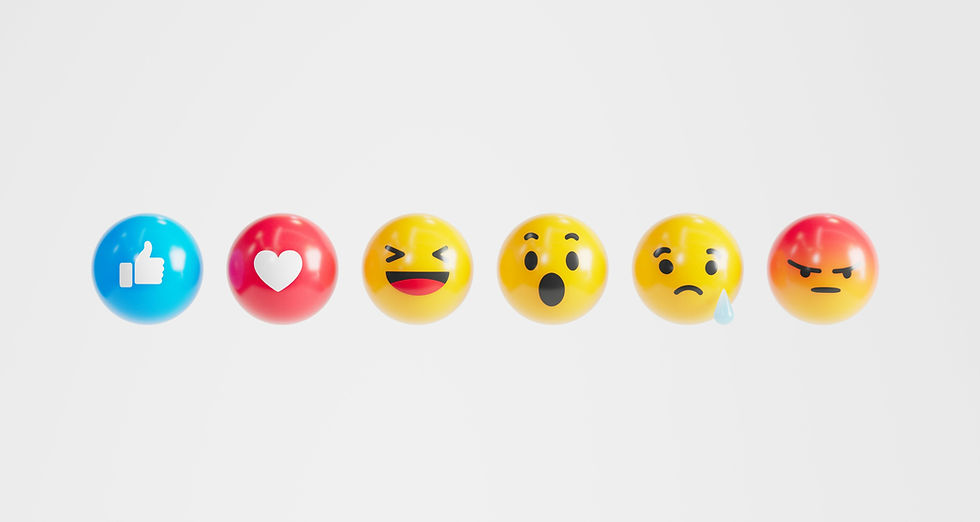
Your own social media posts have a tone of voice, even if you’ve never thought about it — it’s how people “read” your personality online
REAL WORLD EXAMPLE
Scroll through your own posts or stories. Are you the friend who writes long, thoughtful captions? The one who uses only emojis? The one with dry, one-liner humour? The one who posts aesthetic photos with no caption at all? That pattern is your tone of voice online. People already “read” your personality through it — you just haven’t named it yet.
Pro Connection
Brand designers create “tone of voice guidelines” that define exactly how a brand should sound: “We’re friendly but not childish. Confident but not arrogant. Helpful but not preachy.” Copywriters specialise in writing in different tones. Film directors set the tone for actors to follow. Social media managers maintain a consistent tone across hundreds of posts. When someone says “that doesn’t sound like us,” they’re talking about tone of voice.
PROFESSIONAL TERMINOLOGY
CLICK TO REVEAL and CLICK TO COVER
The personality and attitude behind how something is communicated — how it "sounds" even in writing
What is
TONE OF VOICE
The emotional quality of communication: funny, serious, warm, formal, casual, etc.
What is
TONE
The consistent personality that comes through in all of a brand's or creator's communication
What is
VOICE
The level of formality in language: casual, neutral, or formal — adjusted for audience and context
What is
REGISTER
The specific words selected to communicate a message — a key tool for creating tone
What is
WORD CHOICE
THE AUDIENCE SWITCH
Same message. Three completely different people. Watch how everything changes — and ask yourself why it has to.
what TO DO
Take one simple message: "Drink more water."
Write it (or describe how you'd communicate it) for 3 completely different audiences: a 5-year-old, your best friend, and a fitness brand's Instagram.
Notice what changes each time: language, tone, style, visuals, length.
CHALLENGE
DISCOVERY
You can use these SOFTWARES for this Discovery Challenge
FREE SOFTWARE : Google Keep, Instagram, Chrome Browser, Apple Notes / Samsung Notes
PAID SOFTWARE : Notion, Day One Journal