
THE STORY ARC — EVERY GREAT STORY'S SECRET SHAPE
Every great story ever told — from ancient myths to your favourite Netflix show — follows the same basic shape. Once you see it, you’ll spot it everywhere.
CORE CONCEPT
IMPORTANCE OF THE STORY ARC — EVERY GREAT STORY'S SECRET SHAPE
KEY KNOWLEDGE
1
A story arc is the shape of a story from start to finish — it’s the invisible skeleton that holds the narrative together
REAL WORLD EXAMPLE
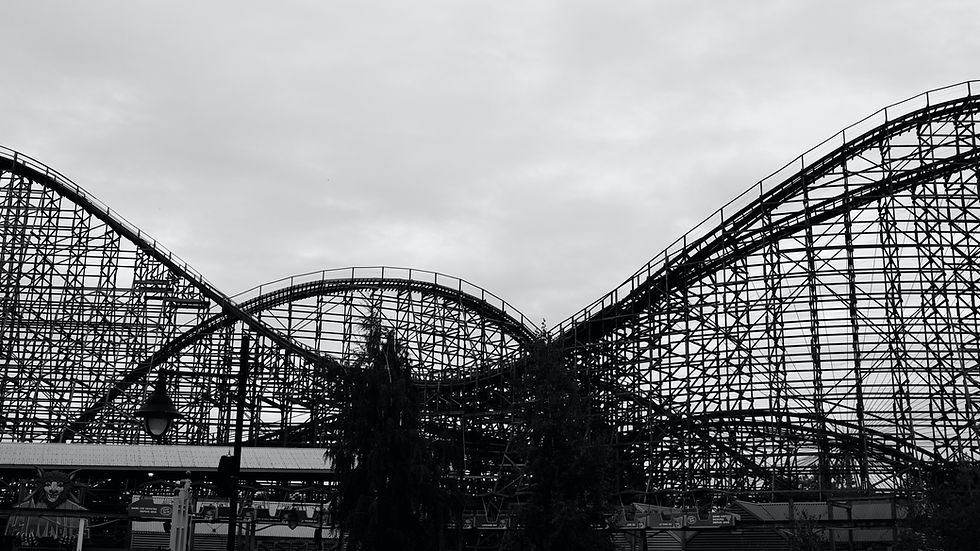
Think of a roller coaster. It starts slow (the climb), gets exciting (the drop), has twists and turns (the middle), hits a peak moment (the biggest loop), and then slows down to the end. Every story you’ve ever loved follows that same shape — even if you never noticed. The arc is the invisible track that keeps the ride thrilling.
2
The basic arc: Setup (normal world) → Problem/Change (something disrupts the normal) → Rising Action (things get more intense) → Climax (the peak moment) → Resolution (things settle)

REAL WORLD EXAMPLE
Here’s the arc of almost every cricket match you’ve watched: Setup (toss, teams, pitch report), Problem (one team starts losing wickets), Rising Action (the required run rate climbs, tension builds), Climax (last over, last ball, six needed), Resolution (either the crowd erupts or goes silent). Five steps. Same shape. Every time.
3
This shape works because it creates tension — and tension is what keeps people watching, reading, scrolling, or playing

REAL WORLD EXAMPLE
Why do you keep watching a YouTube video even when you should be studying? Because there’s tension — a question your brain needs answered. Will the experiment work? Will the prank succeed? Will the food turn out? That unresolved tension is like an itch your brain can’t ignore. The story arc creates that itch on purpose.
4
Without a problem or change, there’s no story — just a description. “I went to the shop” isn’t a story. “I went to the shop and the door was locked, so I...” — NOW there’s a story

REAL WORLD EXAMPLE
“I went to the market and bought vegetables” — not a story. “I went to the market, my wallet was missing, I searched every pocket while the shopkeeper stared at me, and then I found a ₹500 note in my sock from last week” — NOW that’s a story. The problem is what turns a boring description into something worth hearing.
5
The climax is the peak moment of tension — the big reveal, the final battle, the surprise twist, the punchline of a joke
REAL WORLD EXAMPLE
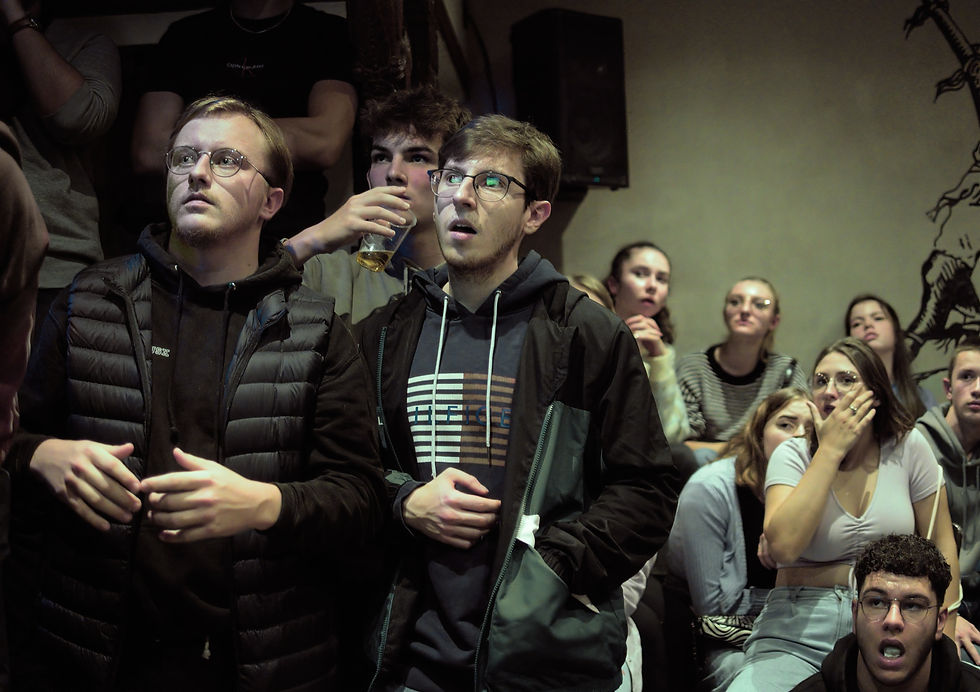
In every reality show, there’s that one moment: the host holds the envelope, the music goes dramatic, the camera cuts between nervous faces… and then the name is announced. That’s the climax. Everything before it was building to that moment. Everything after is just the reaction. The climax is the moment the story earns.
6
Resolution doesn’t mean “happy ending” — it means the tension is released and the audience gets closure
REAL WORLD EXAMPLE
At the end of a sad movie, the hero might not win. But you still feel “complete” because the story answered its question. Resolution just means: the tension is over, and you know how things turned out. Even a cliffhanger is a kind of resolution — it closes one question while opening another (which is why you binge the next episode).

7
Short stories (a TikTok, an ad, a social post) compress this arc into seconds. Long stories (films, series, games) stretch it over hours

REAL WORLD EXAMPLE
A 15-second reel of someone attempting a bottle flip has the full arc: Setup (person holds bottle), Rising Action (the flip is in the air), Climax (will it land?), Resolution (it lands perfectly or crashes). The same arc structure that a 3-hour film uses, squeezed into 15 seconds. The shape is identical — only the scale changes.
8
You can have multiple arcs within one big arc — this is how TV series work: each episode has its own arc within the season’s bigger arc

REAL WORLD EXAMPLE
Think of your favourite web series. Each episode has its own mini-arc (a problem introduced and solved in 30 minutes). But the whole season has a bigger arc (the main villain isn’t defeated until episode 10). And if there are multiple seasons, there’s an even bigger arc spanning years. Arcs inside arcs inside arcs — like Russian nesting dolls made of story.
Pro Connection
Screenwriters use the story arc to structure every script. Content creators plan videos around it. Brand strategists build campaign arcs. Even UX designers create “user journey arcs” showing how a person’s experience moves from problem to solution. When a director says “the second act sags,” they mean the rising action isn’t building tension fast enough. The arc is the universal language of story structure.
PROFESSIONAL TERMINOLOGY
CLICK TO REVEAL and CLICK TO COVER
The overall shape of a story from beginning to end — the journey from setup through conflict to resolution
What is
STORY ARC
The beginning of a story that establishes the normal world, characters, and context before anything changes
What is
SETUP
The problem, challenge, or change that disrupts the normal — without conflict, there's no story
What is
CONFLICT
The part of the story where tension increases — things get harder, more complicated, more urgent
What is
RISING ACTION
The peak moment of a story — the highest tension, the turning point, the big moment everything has been building toward
What is
CLIMAX
How the story ends — the tension is released, the conflict is resolved, and the audience gets closure
What is
RESOLUTION
THE STORY DETECTIVE
The last 3 things that grabbed your attention online had a secret structure working on you. Time to catch it in the act.
what TO DO
Think about the last 3 things that grabbed your attention online — a video, a post, a reel, a game moment.
For each one, ask: was there a story? Was there a beginning that hooked you, a middle that kept you watching, and an end that paid off?
Write one sentence about the "story" in each example.
Then ask: the things that DIDN'T grab you — what was missing?
CHALLENGE
DISCOVERY
You can use these SOFTWARES for this Discovery Challenge
FREE SOFTWARE : Google Keep, Canva, Apple Notes / Samsung Notes
PAID SOFTWARE : GoodNotes 6, Notion