
THE HOOK — THE FIRST 3 SECONDS
You have 3 seconds to stop someone from scrolling past. Three. That’s it. Welcome to the most important skill in modern storytelling.
CORE CONCEPT
IMPORTANCE OF THE HOOK — THE FIRST 3 SECONDS
KEY KNOWLEDGE
1
A hook is the opening moment that grabs attention and makes the audience want to stay

REAL WORLD EXAMPLE
You’re scrolling through Instagram. Hundreds of posts fly past your thumb. Then suddenly you stop. Something caught you. Maybe it was a weird image, a bold first line, or a sound that surprised you. That thing that made your thumb freeze? That’s a hook. And someone designed it to do exactly that.
2
In the age of scrolling, the hook has become the most important part of any story — if it fails, the rest doesn’t exist

REAL WORLD EXAMPLE
Imagine spending 3 hours making an amazing video, but the first 2 seconds are boring. Nobody watches past those 2 seconds. Your 3 hours of work? Invisible. It’s like cooking the world’s best biryani but putting it in a container that smells bad — nobody opens it to find out how good it is inside. The hook IS the container.
3
Three types of hooks: curiosity (you NEED to know more), surprise (something unexpected), and emotion (you immediately feel something)

REAL WORLD EXAMPLE
Curiosity: “This one trick changed how I study forever” — you NEED to know the trick. Surprise: A video starts with someone falling off a chair for no reason — you didn’t expect that. Emotion: A photo of a soldier hugging his daughter after months away — you feel something instantly. Three different hooks, three different buttons they press in your brain.
4
Curiosity hooks ask a question or create a gap: “What would happen if...” “You won’t believe...” “The one thing nobody tells you about...”

REAL WORLD EXAMPLE
When someone says “I have to tell you something but promise you won’t tell anyone,” your brain cannot rest until you hear it. That’s a curiosity gap — the space between what you know and what you desperately want to know. Content creators use this constantly: “The one thing your teacher never told you about exams.” You have to click. Your brain demands it.
5
Surprise hooks break expectations: starting with the end, showing something bizarre, or flipping a familiar idea
REAL WORLD EXAMPLE
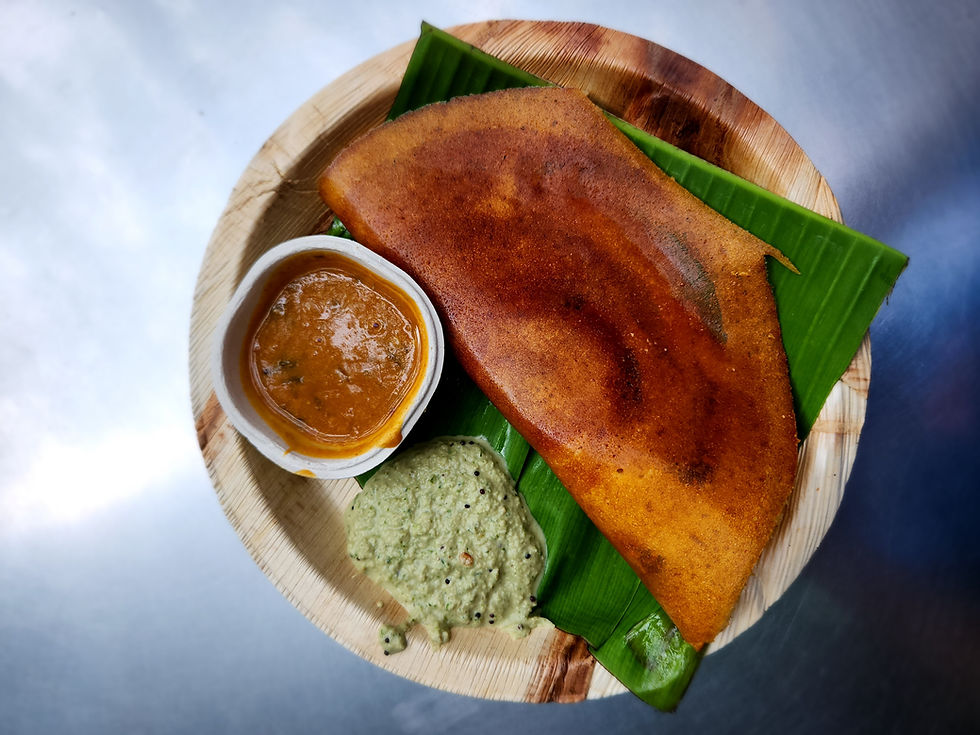
A cooking video starts with the final dish — a perfect, golden dosa — being dropped on the floor. You gasp. You didn’t expect that. Now you HAVE to watch to see what happens. Surprise hooks work because your brain is a prediction machine. When something breaks your prediction, your attention snaps to it like a magnet.
6
The best hooks make a promise: “If you stay, this will be worth your time” — then the story must deliver
REAL WORLD EXAMPLE
When a YouTube video title says “5 Phone Hacks You Didn’t Know Existed,” it’s making a promise: stay for 3 minutes and you’ll learn something useful. If the hacks are actually good, you trust that creator next time. If they’re fake or obvious, you never click again. A hook is a promise. Breaking that promise is how creators lose audiences forever.
7
A hook isn’t clickbait — clickbait makes a promise and doesn’t deliver. A good hook makes a promise and DOES deliver

REAL WORLD EXAMPLE
Clickbait: “YOU WON’T BELIEVE WHAT THIS DOG DID!!!” and the video is just a dog sitting normally. You feel cheated. Good hook: “This dog learned to open the fridge by itself” and the video actually shows the dog opening a fridge. Same attention-grab, but one delivers and the other lies. The difference is trust.
8
Professional creators spend more time on the hook than on any other part of the content

REAL WORLD EXAMPLE
Top YouTubers have admitted they spend 2–3 hours just on the thumbnail and first 5 seconds of a video, even if the video itself took 2 days to make. That sounds crazy until you realise: if the hook doesn’t work, those 2 days were wasted. Professionals know the hook is where the battle is won or lost.
Pro Connection
Content creators call the opening the “hook window.” Filmmakers call the opening scene the “cold open” or “teaser.” Copywriters craft headlines that are pure hooks. Brand storytellers open campaigns with moments designed to stop the scroll. When a creative director says “we’re losing people in the first 3 seconds,” they’re saying the hook isn’t working. Mastering hooks is one of the most valuable storytelling skills in the modern creative world.
PROFESSIONAL TERMINOLOGY
CLICK TO REVEAL and CLICK TO COVER
The opening moment of a story that grabs attention and creates the desire to keep going
What is
HOOK
When a hook creates a question in the audience's mind that can only be answered by continuing — the gap between what you know and what you want to know
What is
CURIOSITY GAP
Starting a story right in the middle of action or drama, without any setup first — an instant hook technique
What is
COLD OPEN
The preview image for a video — a visual hook that determines whether someone clicks or scrolls past
What is
THUMBNAIL
The title text of an article, post, or ad — the written hook that determines whether someone reads further
What is
HEADLINE
THE STORY DETECTIVE
The last 3 things that grabbed your attention online had a secret structure working on you. Time to catch it in the act.
what TO DO
Think about the last 3 things that grabbed your attention online — a video, a post, a reel, a game moment.
For each one, ask: was there a story? Was there a beginning that hooked you, a middle that kept you watching, and an end that paid off?
Write one sentence about the "story" in each example.
Then ask: the things that DIDN'T grab you — what was missing?
CHALLENGE
DISCOVERY
You can use these SOFTWARES for this Discovery Challenge
FREE SOFTWARE : Instagram / YouTube / TikTok, Google Keep, Apple Notes / Samsung Notes, Phone Screenshot
PAID SOFTWARE : Day One Journal, Notability