
THE MOOD BOARD
What if you could show someone exactly what your idea FEELS like before you’ve created a single thing? You can — and professionals do it every day.
CORE CONCEPT
IMPORTANCE OF THE MOOD BOARD
KEY KNOWLEDGE
1
A mood board is a curated visual collection that communicates the intended feeling and direction of a project

REAL WORLD EXAMPLE
You're planning your birthday party. Before you book anything, you already have a feeling in your head — maybe it's fairy lights, warm colours, outdoor seating, and acoustic music. You haven't designed an invitation yet, but you know the vibe. A mood board is that feeling pulled out of your head and pinned down where others can see it — five or six images that together say "this is the world I want to create." It's not the plan. It's the compass that keeps the plan on track.
2
It answers “What should this feel like?” before “What should this look like?”
.jpg)
REAL WORLD EXAMPLE
Imagine a filmmaker starting a new movie. She doesn't begin with "the hero wears a blue shirt." She begins with "this film should feel like walking through an old house after rain — quiet, slightly sad, full of memories." That feeling becomes the filter for every decision: the colours will be cool and muted, the music will be slow, the rooms will have peeling walls. The mood board captures that rainy-house feeling in images — so that every person working on the film is building toward the same emotion, not just the same look.
3
Mood boards come BEFORE final work — they prevent wasted time going in the wrong direction

REAL WORLD EXAMPLE
A student spends three days making a poster for a college fest — bright neon colours, bold graffiti fonts, party vibes. She presents it proudly. The organiser says: "We wanted it to feel elegant and minimal. Like a TEDx event, not a nightclub." Three days wasted — not because the poster was bad, but because the direction was never agreed on. A mood board at the start would have taken fifteen minutes and saved seventy-two hours. It's the cheapest insurance in any creative project.
4
A good mood board has a unified mood — everything supports the same feeling
REAL WORLD EXAMPLE
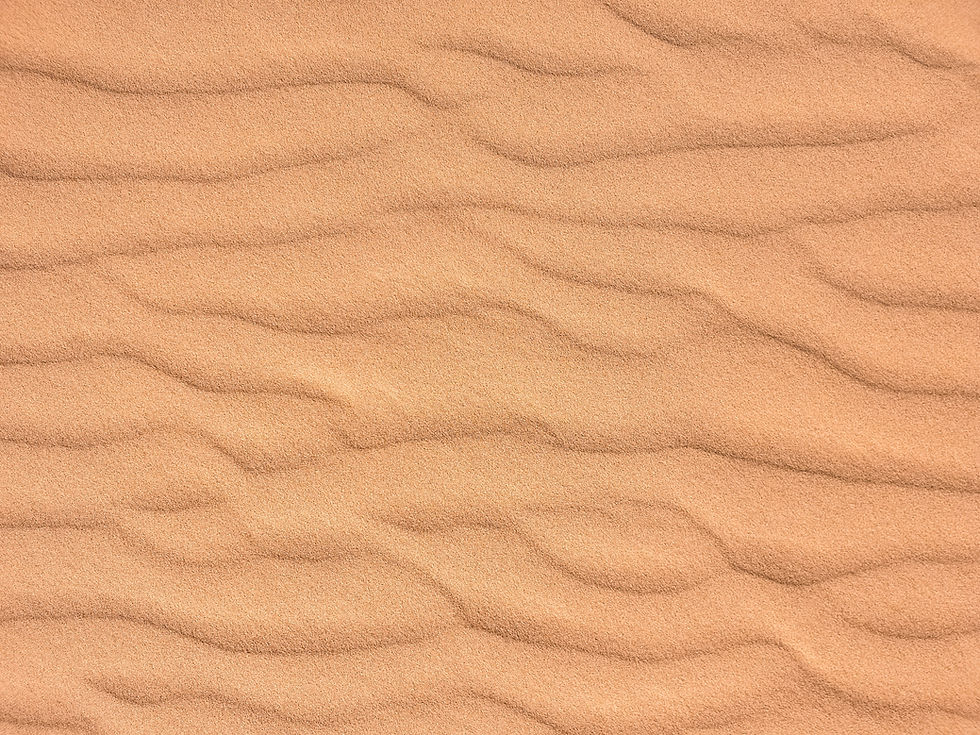
Imagine pinning these five images together: a sunset over sand dunes, a terracotta cup of chai, a handloom sari in earthy tones, a mud wall with a wooden door, and a brass oil lamp. You haven't written a single word — but anyone looking at this board would say "warm, Indian, traditional, handcrafted, rooted." Every image is pulling in the same direction. Now imagine adding a neon sneaker to that board. Instantly, the mood cracks. One wrong image is all it takes. A good mood board isn't about finding beautiful images — it's about finding images that agree with each other.
5
Curation is the key skill: choosing what BELONGS and removing what doesn’t
REAL WORLD EXAMPLE
You've saved 200 images on Pinterest for a project. Ninety per cent of them are there because they looked "cool." The skill isn't in saving — it's in deleting. Curation means scrolling through those 200, asking "does this serve the feeling I'm building?" and being ruthless enough to remove the 180 that don't. The final 20 that survive aren't just pretty — they're precise. A curator isn't a collector. A collector gathers everything. A curator keeps only what belongs.

6
Digital mood boards (Pinterest, Figma, Canva) are the modern standard
REAL WORLD EXAMPLE
Ten years ago, designers cut photos from magazines and glued them onto a cardboard sheet. It worked — but you couldn't share it, resize it, or update it without starting over. Today, you open Pinterest and create a secret board in thirty seconds. You drag images from anywhere on the internet. You rearrange them with a thumb swipe. You share the board link with your entire team. The mood board didn't change — the speed did. What used to take an afternoon and a pair of scissors now takes a lunch break and a Wi-Fi connection.

7
Every creative field uses mood boards: film, branding, interiors, fashion, UI/UX, experience design

REAL WORLD EXAMPLE
A fashion designer pins fabric swatches and runway photos before designing a collection. An interior designer pins room photos, textures, and colour palettes before choosing a single sofa. A film director pins landscapes, paintings, and old photographs before telling the cinematographer how the movie should look. A UI designer pins app screenshots and colour schemes before drawing a single button. Different industries, different outputs — but every single one starts the same way: a board full of images that says "this is the feeling we're chasing."
8
What if your Pinterest boards are already mood boards — and all you needed was to use them intentionally?
.jpg)
REAL WORLD EXAMPLE
Open your Pinterest right now. You probably have boards already — "outfit ideas," "room decor," "travel places," maybe "aesthetic wallpapers." Look at any one board closely. The images aren't random — you saved them because they felt like something. They share a colour tone, or a vibe, or an energy. You've been mood-boarding for years without calling it that. The only step left is intention: next time, don't just save what looks nice — save what serves a specific feeling you want to create. That one shift turns a hobby into a professional skill.
Pro Connection
Mood boards are a standard deliverable in creative briefs. Creative directors review them to align teams. When someone says “it’s not on brand,” they often mean “this doesn’t match the mood board.”
PROFESSIONAL TERMINOLOGY
CLICK TO REVEAL and CLICK TO COVER
A curated visual collection communicating the intended feel and direction of a project
What is
MOOD BOARD
Carefully selecting and arranging elements to create a specific mood — removing is as important as adding
What is
CURATION
The intended aesthetic and feeling of a project
What is
VISUAL DIRECTION
The emotional quality: warm, cool, playful, serious, minimal, bold
What is
TONE
The overall visual and emotional character of a design
What is
LOOK AND FEEL
A particular visual style or philosophy — the recognisable character of a visual world
What is
AESTHETIC
An existing image used as inspiration for a new project
What is
REFERENCE
THE FEELING FOLDER
Before any great creative project begins, someone sits quietly and asks: what should this feel like? Today, that someone is you.
what TO DO
Choose ONE feeling or mood — pick something you actually feel strongly about: 'exciting night city', 'quiet rainy morning', 'summer with friends', 'mysterious forest', or make up your own.
Find 5 images on your phone gallery or a free image site that give you THAT feeling.
Put them together in a simple grid or collage using any free app — or just screenshot them side by side.
Look at all 5 together. Do they all feel like they belong in the same world? Remove any that feel 'off' and replace them.
Show your mood board to someone. Without telling them your feeling-word, ask: what feeling does this give you?
CHALLENGE
DISCOVERY
You can use these SOFTWARES for this Discovery Challenge
FREE SOFTWARE : Pinterest, Canva, PicCollage, Google Photos
PAID SOFTWARE : Moodboard, Niice Pro