
HEADLINES & CAPTIONS — SMALL WORDS, BIG IMPACT
The difference between a post that gets 10 likes and 10,000 shares is often just the caption. Words in the right place at the right time are pure creative power.
CORE CONCEPT
IMPORTANCE OF HEADLINES & CAPTIONS — SMALL WORDS, BIG IMPACT
KEY KNOWLEDGE
1
A headline is the most prominent text — the first words read in any visual. It must grab attention and communicate a clear message

REAL WORLD EXAMPLE
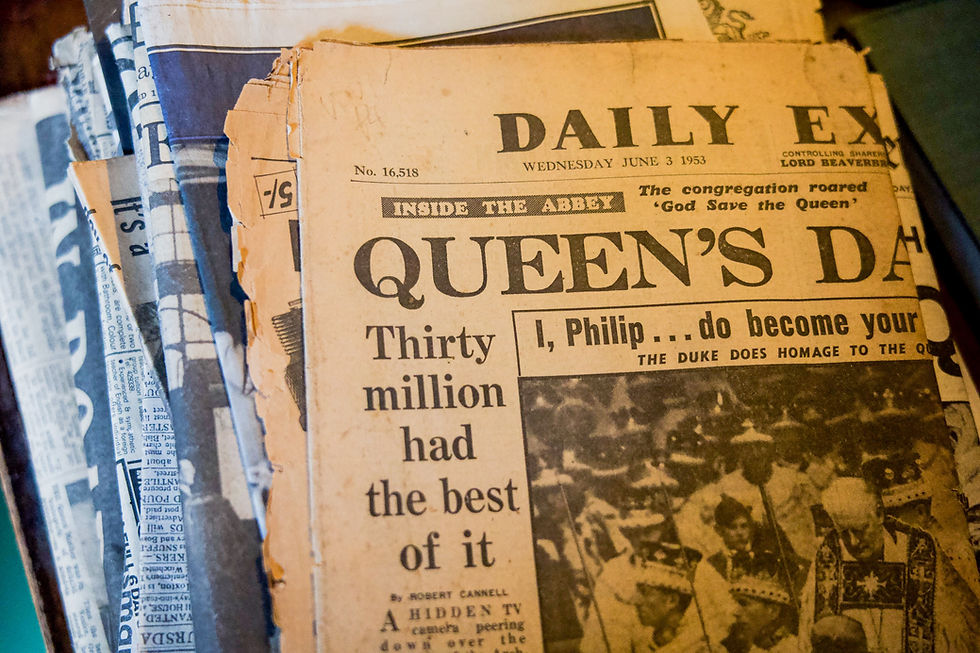
Walk past a newspaper stand and your eye catches: “INDIA WINS!” Two words. You instantly know what happened, you feel the excitement, and you want to read more. That’s a headline doing its job in under 1 second. It grabbed you, told you the story, and made you want the details. Two words. All that power.
2
A caption is the supporting text that adds context, story, or personality to an image or visual

REAL WORLD EXAMPLE
A photo of a sunset is pretty. A photo of a sunset with the caption “Last sunset before leaving home for hostel” is a story. The caption took the same image and gave it weight, emotion, and personal meaning. Captions don’t describe what you can already see (“beautiful sunset” is wasted space). They add what the image CAN’T show.
3
Headlines and captions are short-form writing — every word counts because there’s no room for filler
REAL WORLD EXAMPLE
In a 500-word essay, one weak sentence is forgiven. In a 7-word headline, one weak word ruins everything. Short-form writing is like packing for a weekend trip in a tiny bag: every item must earn its place. No filler, no extras, no “just in case.” Every word must work or it’s cut.
4
A great headline does one or more of: creates curiosity, makes a bold statement, asks a question, promises value, or triggers emotion

REAL WORLD EXAMPLE
Curiosity: “The one study trick nobody uses.” Bold: “Homework is broken.” Question: “Are you brushing your teeth wrong?” Value: “5 free apps that replaced my textbooks.” Emotion: “She waited 3 years for this moment.” Five different headlines, five different buttons pressed. Each one makes you want to know more.
5
A great caption adds what the image can’t say alone: the backstory, the punchline, the call to action, or the personal voice
REAL WORLD EXAMPLE
Photo: A plate of messy-looking food. Without caption: just ugly food. With caption: “First time cooking for mom’s birthday. She said it was the best meal she’s ever had. She was definitely lying but I love her for it.” The caption turned an ordinary photo into a story with character, emotion, and humour. The image needed the caption. The caption needed the image.

6
Headlines should be understandable in under 3 seconds — if someone has to re-read it, it’s too complicated
REAL WORLD EXAMPLE
Bad headline: “The Multifaceted Implications of Renewable Energy Adoption in Developing Economies.” Your brain gives up after 3 words. Good headline: “Solar Power is Saving Villages.” Same topic. But the good one hits in 1 second. If a headline makes someone re-read it, it’s failed. Speed and clarity are everything.

7
The relationship between image and text matters: sometimes the caption echoes the image (reinforcing). Sometimes it contrasts or adds surprise (creating tension)

REAL WORLD EXAMPLE
Photo of a smiling person + caption “Happiest day of my life” = reinforcing. Same photo + caption “This was 24 hours before everything changed” = tension. The second version makes you lean in, wonder, worry. When text and image agree, it’s comfortable. When they contrast, it’s electric. Both are tools. The contrast one is more powerful.
8
Headlines and captions are used in: social media, advertising, poster design, journalism, presentations, email marketing, app interfaces, and packaging

REAL WORLD EXAMPLE
The title on your cereal box? A headline. The notification from your favourite app? A caption. The subject line of your teacher’s email? A headline. The text on a movie poster? A headline. You encounter headlines and captions 50+ times a day without realising it. Learning to write them well means learning the language of modern communication.
Pro Connection
Copywriters are creative professionals who specialise in writing headlines, captions, and all brand text. They’re among the highest-paid writers in the creative industry. When a creative director says “the copy needs to be sharper,” they mean the writing doesn’t punch hard enough. When they say “the headline does the heavy lifting,” they mean the text is carrying the communication more than the visuals. Great copy + great visuals = great creative work.
PROFESSIONAL TERMINOLOGY
CLICK TO REVEAL and CLICK TO COVER
The most prominent text in a visual — the title, the attention-grabber, the first thing read
What is
HEADLINE
Text that accompanies an image, adding context, voice, or meaning that the image alone doesn't provide
What is
CAPTION
A short, memorable phrase that captures a brand's essence — e.g., "Just Do It" (Nike)
What is
TAGLINE
Any written text in a creative project — headlines, captions, body text, slogans — everything that's written
What is
COPY
The professional skill of writing text for creative purposes: ads, brands, social media, websites, campaigns
What is
COPYWRITING
THE CAPTION UPGRADE
The same photo. Three completely different captions. Each one tells a different story — using the exact same image.
what TO DO
Find a photo on your phone that you've never posted (a moment you captured but haven't shared).
Write 3 different captions for it: 1) A caption that tells a short story, 2) A caption that's one punchy sentence, 3) A caption that asks a question.
Then write a one-line HEADLINE that could sit ON the image (like a poster title).
CHALLENGE
DISCOVERY
You can use these SOFTWARES for this Discovery Challenge
FREE SOFTWARE : Phone Gallery, Google Keep, Instagram, Canva
PAID SOFTWARE : Canva Pro, Over / GoDaddy Studio